
For decades, livestock has been the backbone of Garissa’s economy, sustaining thousands of pastoralist families across the county’s arid and semi-arid landscapes. Yet, while cattle, camels, goats and sheep have generated income through meat and live animal sales, a valuable resource has largely remained underutilized: hides and skins.
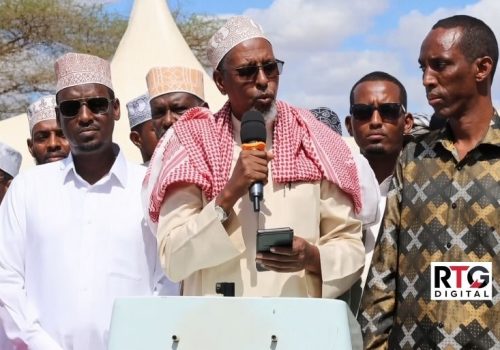
Now, Garissa Governor Nathif Jama is championing an ambitious plan to turn the county into a leading centre for leather production, positioning the sector as a catalyst for livestock commercialization, industrial development and sustainable food security.
At the heart of the governor’s vision is the belief that every part of the livestock value chain should generate economic returns. Hides from cattle, calves and camels, alongside skins from goats and sheep, represent a significant untapped opportunity for wealth creation, employment and foreign exchange earnings.
“Livestock should not only be viewed as a source of meat and milk. The leather value chain offers enormous potential to increase incomes for pastoralists while creating new industries and jobs within the county.”
The initiative aligns with Kenya’s broader goal of transforming livestock production into a commercially oriented enterprise capable of supporting sustainable food and nutrition security while contributing to economic growth.
Building value from by-products
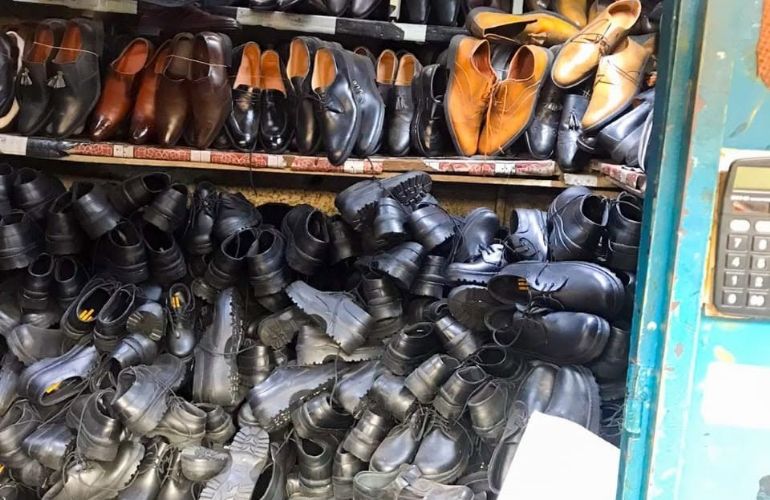
Hides and skins are the primary raw materials used in tanning industries, where they undergo a series of chemical processes to produce leather for shoes, bags, belts, furniture and other consumer goods.
Despite Kenya’s large livestock population, much of the country’s leather potential remains unrealized due to poor handling practices, inadequate processing infrastructure and limited value addition.
Governor Jama’s strategy seeks to reverse this trend by strengthening the entire leather value chain, from production and preservation to processing and marketing.
Under the county’s leather development programme, authorities plan to promote, coordinate and harmonize activities across the sector while monitoring production trends and market opportunities for hides, skins and leather products.
The county also intends to undertake targeted leather improvement projects aimed at increasing product quality and reducing losses associated with poor handling and preservation techniques.
Training pastoralists and traders
A key pillar of the programme is capacity building.
County officials plan to roll out training and demonstration programmes for livestock owners, traders, butchers and processors on best practices in handling, curing and storing hides and skins.
Experts argue that poor flaying techniques, branding marks and improper preservation methods significantly reduce the value of hides and skins, leading to substantial losses for producers.
By improving knowledge and skills among stakeholders, Garissa hopes to produce higher-quality raw materials capable of attracting premium prices in local and international markets.
The county government will also strengthen data collection, storage and analysis systems to support evidence-based planning and decision-making within the leather subsector.
Regulatory reforms and environmental safeguards
As part of efforts to professionalize the industry, Garissa plans to intensify inspection and licensing of curing premises and storage facilities.
Operators will be required to meet prescribed standards before receiving registration certificates, helping to improve quality assurance and consumer confidence.
The county will also work closely with industry stakeholders to ensure compliance with environmental regulations, particularly in the disposal of waste generated by tanning and curing activities.
Officials say proper waste management will be essential in balancing industrial growth with environmental sustainability.
Attracting investment and creating jobs
Beyond improving production standards, Governor Jama’s vision seeks to attract private investment into leather processing and manufacturing.
County authorities are exploring partnerships with development agencies, financial institutions and investors to mobilize technical and financial resources for the sector.
The long-term objective is to establish a thriving leather industry that creates jobs across the value chain, from livestock production and trading to processing, manufacturing and retail.
For a county where youth unemployment remains a challenge, the leather industry presents an opportunity to generate skilled and semi-skilled employment while expanding local enterprise development.
A pathway to economic transformation
Economists have long argued that Kenya exports too much raw potential and imports too many finished products. Garissa’s leather strategy aims to change that narrative by retaining value within the county and increasing the contribution of livestock resources to local economic development.
The initiative would position Garissa as a regional hub for hides, skins and leather production, while strengthening Kenya’s efforts to build a competitive leather industry capable of serving domestic, regional and international markets.
For Governor Nathif Jama, the vision extends beyond leather alone. It is about transforming livestock from a subsistence asset into a commercial enterprise that generates prosperity, strengthens food security and delivers lasting economic opportunities for pastoral communities.
In a county where livestock is both culture and livelihood, the journey from hide and skin to finished leather may well become a powerful symbol of Garissa’s next chapter of economic transformation.