
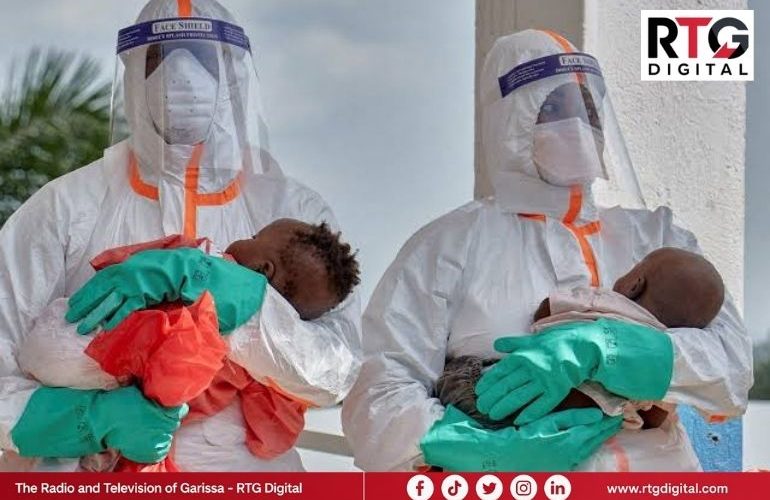
Delayed detection, fragmented surveillance systems and slow funding disbursement significantly weakened the response to the Democratic Republic of Congo’s 2026 Bundibugyo Ebola outbreak, according to a new review that calls for urgent reforms in global epidemic preparedness.
The report, published by Data Friendly Space on 31 July, says modelling suggests the virus circulated for about three months before the outbreak was officially declared on 15 May, allowing transmission to spread before containment measures were launched.
Last month, DRC had recorded 3,360 confirmed cases and 1,487 deaths across 48 health zones in five provinces. It is the largest Bundibugyo virus disease outbreak on record. Ituri Province accounted for nearly 89% of all confirmed infections.
The review attributes the delayed confirmation partly to diagnostic limitations, noting that frontline testing systems were primarily designed to detect the Zaire strain of Ebola, requiring suspected Bundibugyo cases to undergo PCR confirmation at central laboratories.
It also cited weaknesses in surveillance and reporting, including missing epidemiological data and inconsistent information across agencies.
The report says only 78.2% of identified contacts were successfully followed up, well below the operational target of 95%, while thousands of contacts were not traced during the reporting period.
It also found that official outbreak data remained largely available only through PDF situation reports, forcing researchers to manually extract figures and increasing the risk of discrepancies.
Despite more than US$910 million being pledged for the continental Ebola response in June, less than US$90 million had reached affected countries and response partners within days, exposing major weaknesses in emergency financing, according to the review.
The report recommends creating a shared information system for outbreak data, investing in surveillance before outbreaks are declared, publishing machine-readable epidemiological data, establishing a public tracker for funding pledges and disbursements, and strengthening data-sharing arrangements while safeguarding sensitive information.
It further called for stronger surveillance, transparent financing and coordinated information management are essential to improving preparedness and limiting the impact of future disease outbreaks.