
The International Federation of Red Cross and Red Crescent Societies (IFRC) has called for increased investment in climate adaptation and disaster preparedness, warning that extreme weather events are placing growing pressure on vulnerable communities.
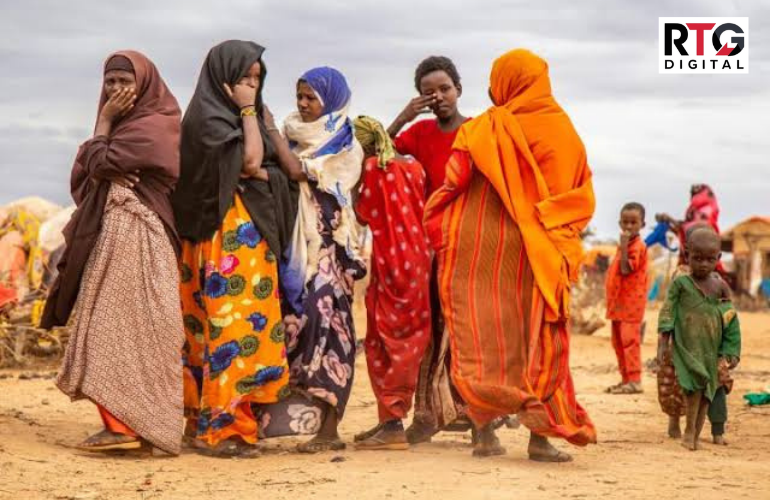
The appeal comes amid recurring droughts, floods and other climate-related challenges affecting parts of Northern Kenya, including Garissa County, where livelihoods depend heavily on livestock, agriculture and access to water.
IFRC urged world leaders to translate climate commitments into practical investments that protect lives, livelihoods and public health.
The humanitarian organisation warned that a stronger El Niño expected in the coming months could trigger further extreme weather events, increasing the need for early warning systems and community preparedness.
“Far too many communities still lack the support they need to prepare for increasingly severe climate risks,” IFRC Secretary General Jagan Chapagain said.
He called on governments to prioritise practical solutions, particularly for communities facing poverty, conflict and displacement.
The organisation cited devastating floods in Nepal as an example of how disaster preparedness can save lives.
A school headteacher evacuated 1,600 students to higher ground nine minutes before floodwaters arrived, drawing on disaster preparedness training provided by the Nepal Red Cross Society. Although the school was destroyed, all the children survived.
The IFRC also highlighted research conducted with the World Wide Fund for Nature (WWF), suggesting that nature-based solutions could reduce the intensity of climate-related hazards by approximately 31 percent on average.
The research estimates that such interventions could help developing countries avoid at least $148 billion in economic losses annually by 2030, rising to $577 billion by 2050.
The organisation outlined three priorities for governments: strengthening climate-resilient health systems, directing more climate finance to local communities and expanding early warning systems and anticipatory action.
It said 9.6 million people received support through anticipatory action programmes in 2025, stressing that early warnings must be accompanied by resources that enable communities to respond before disasters strike.
Investment in water security, resilient livelihoods, climate-smart agriculture and disaster preparedness remains central to reducing the impact of recurring climate shocks for Garissa and other arid and semi-arid counties.
The IFRC, which works through 191 National Red Cross and Red Crescent Societies, said COP31 offers governments an opportunity to ensure that climate commitments translate into meaningful protection for communities most exposed to environmental risks.