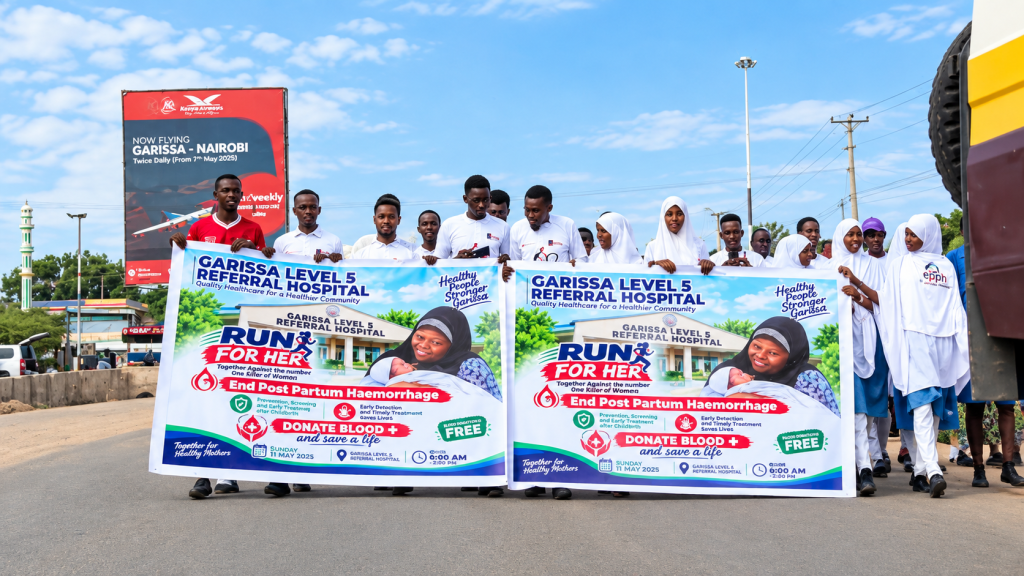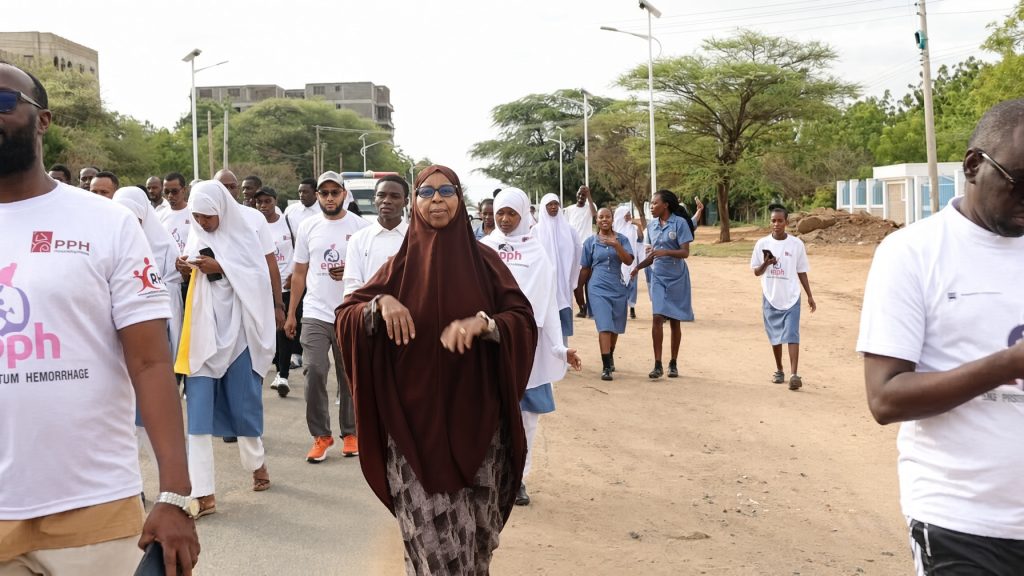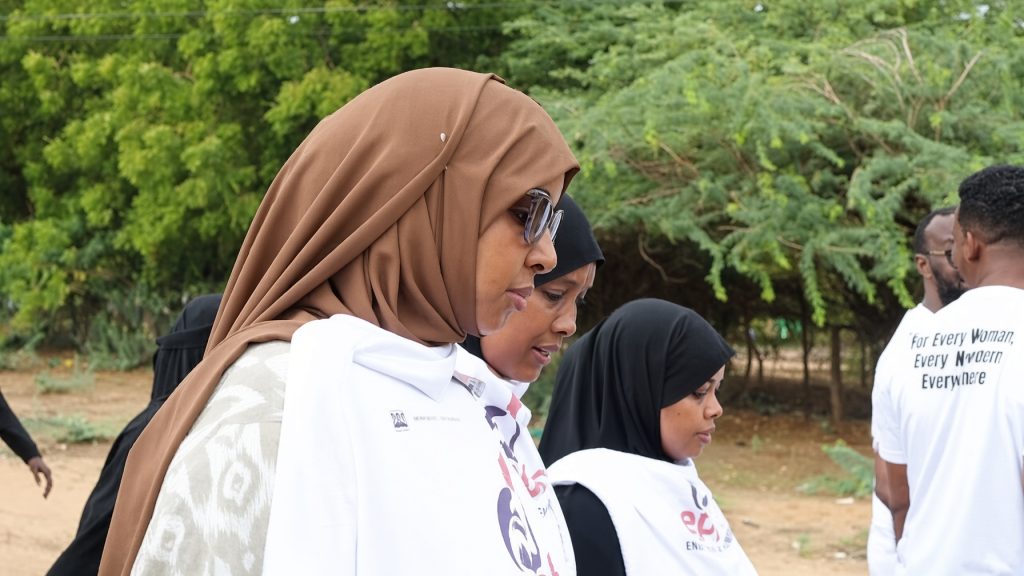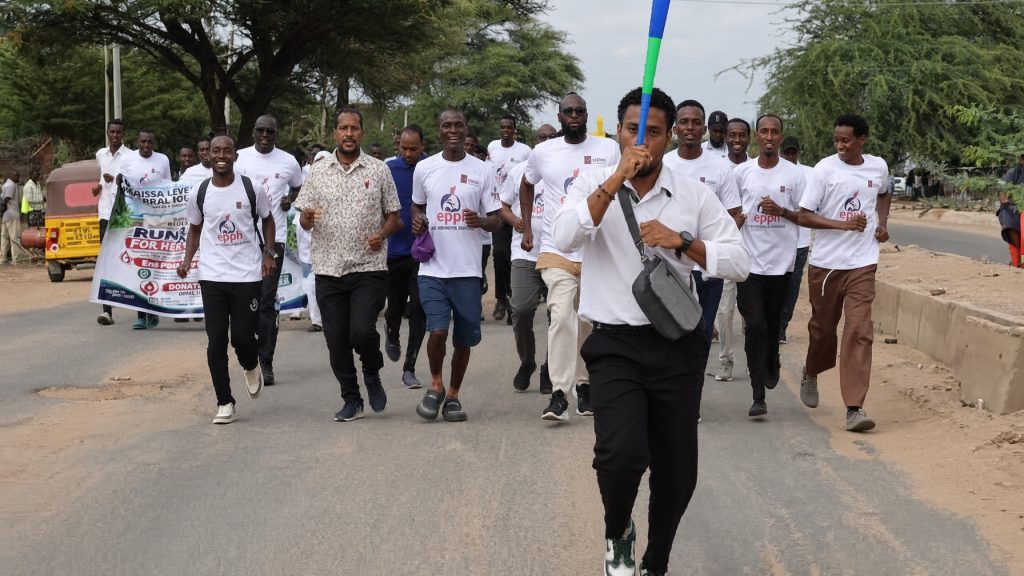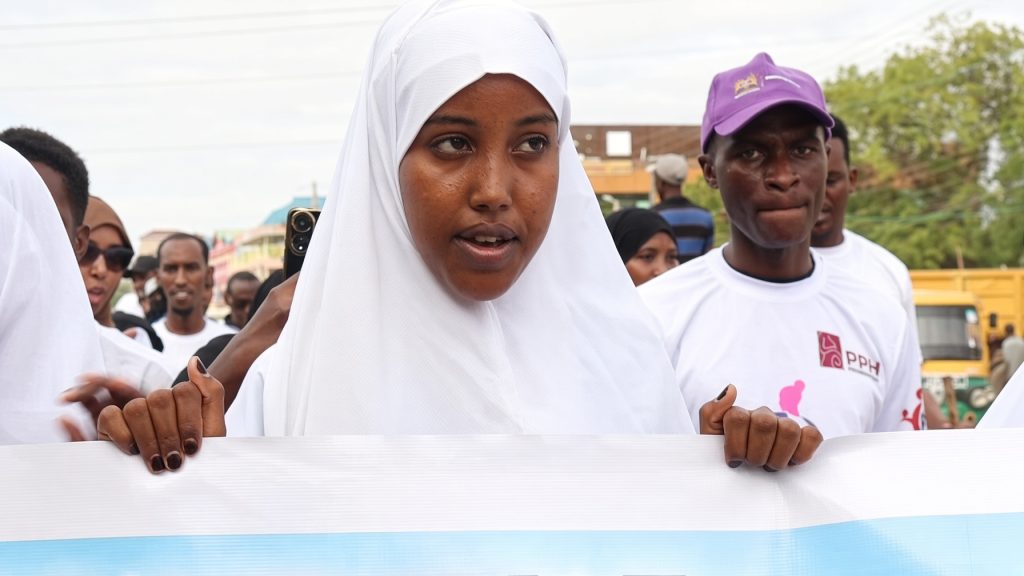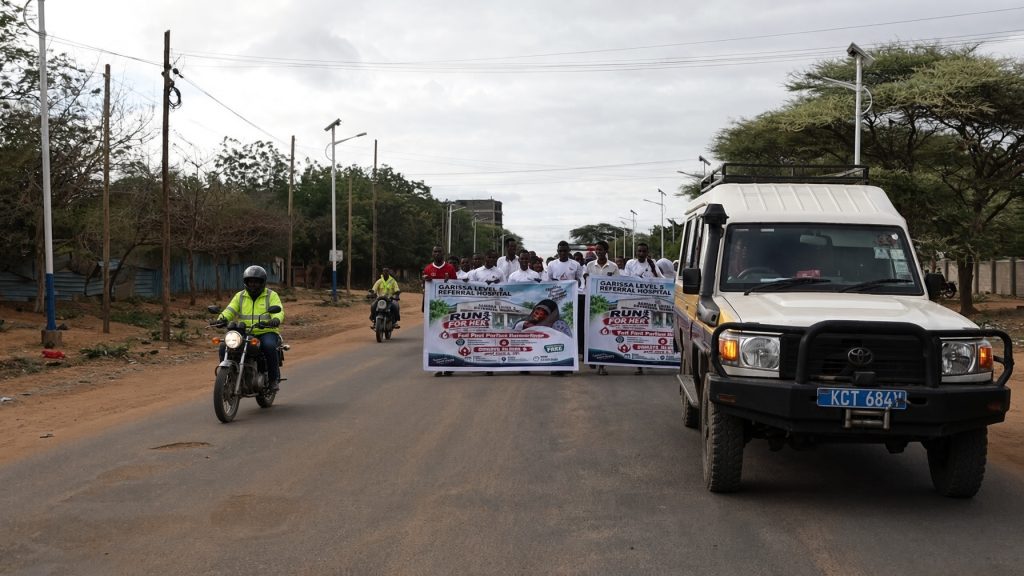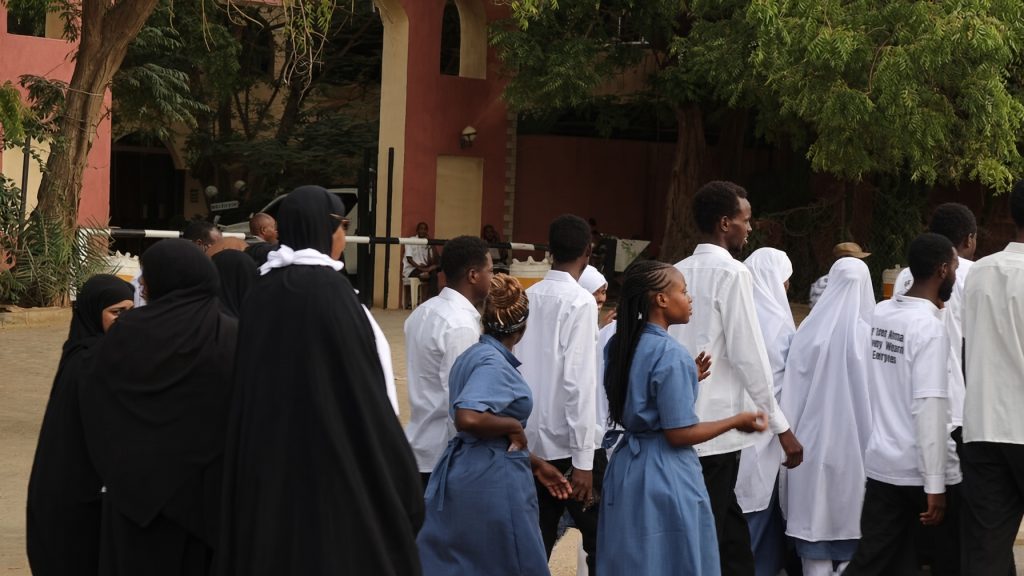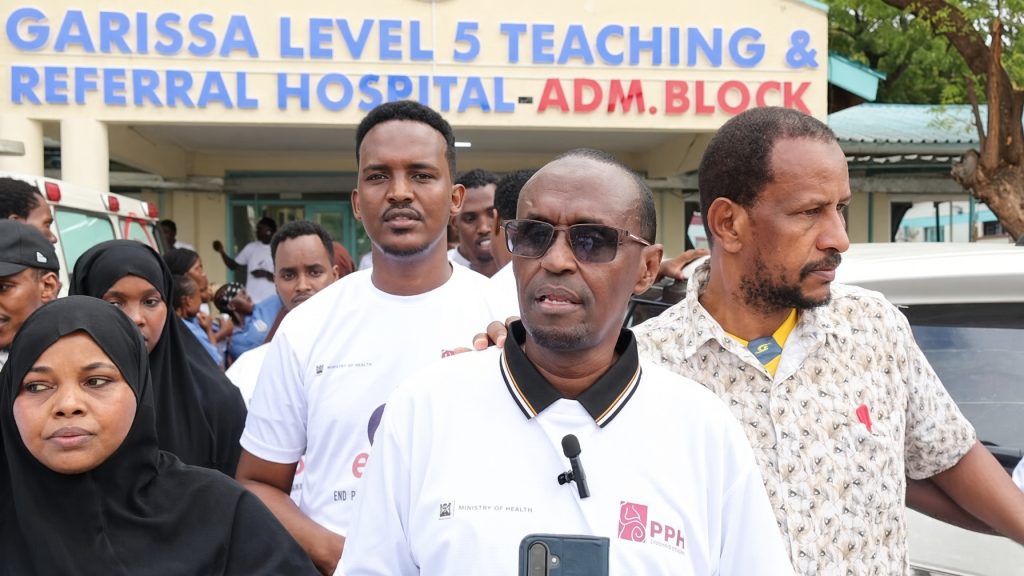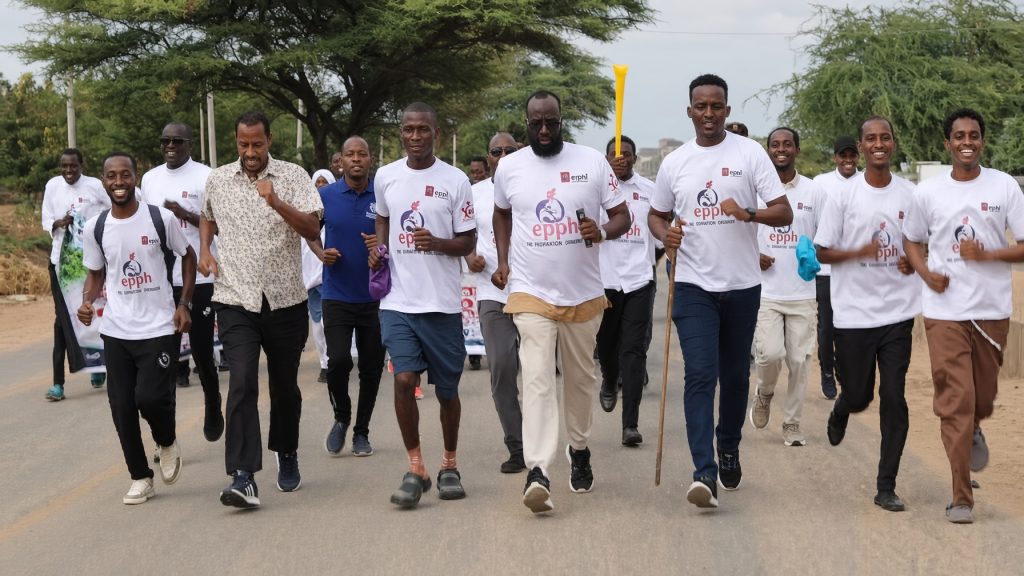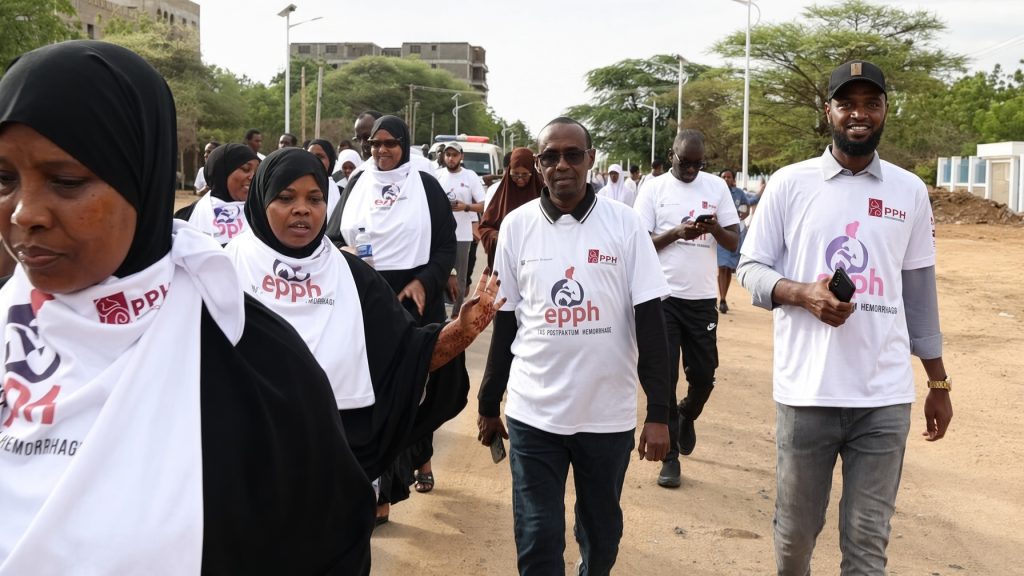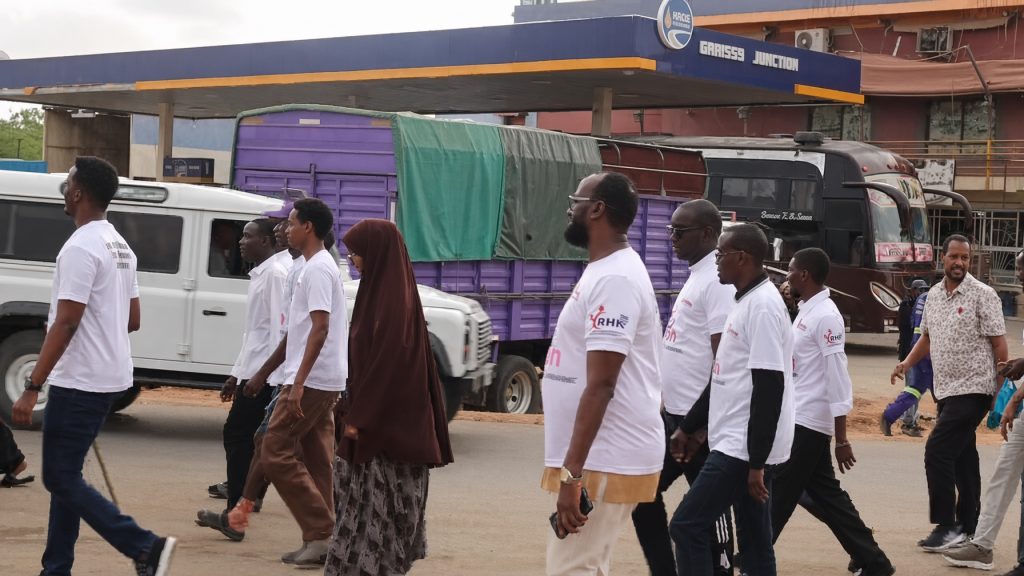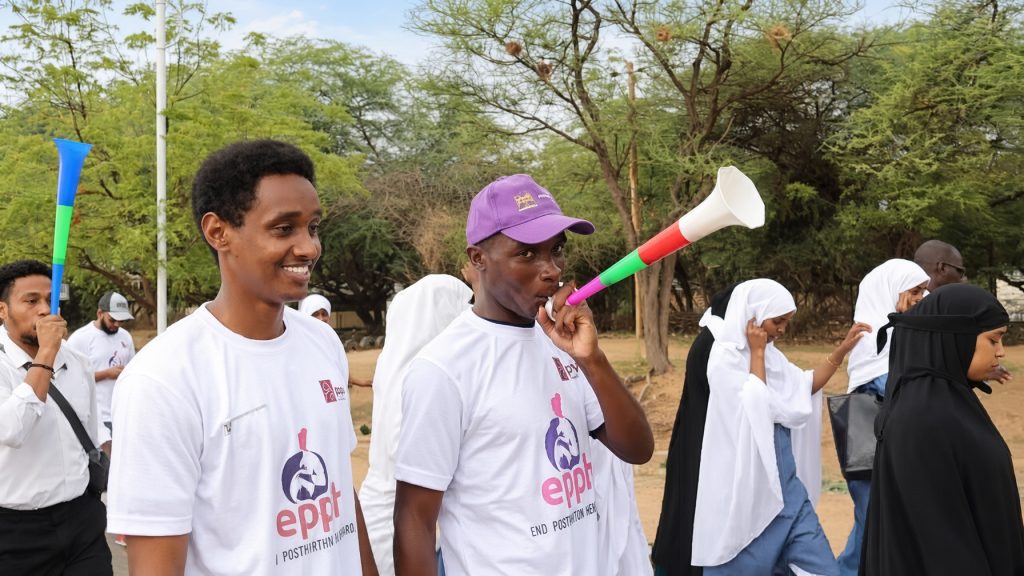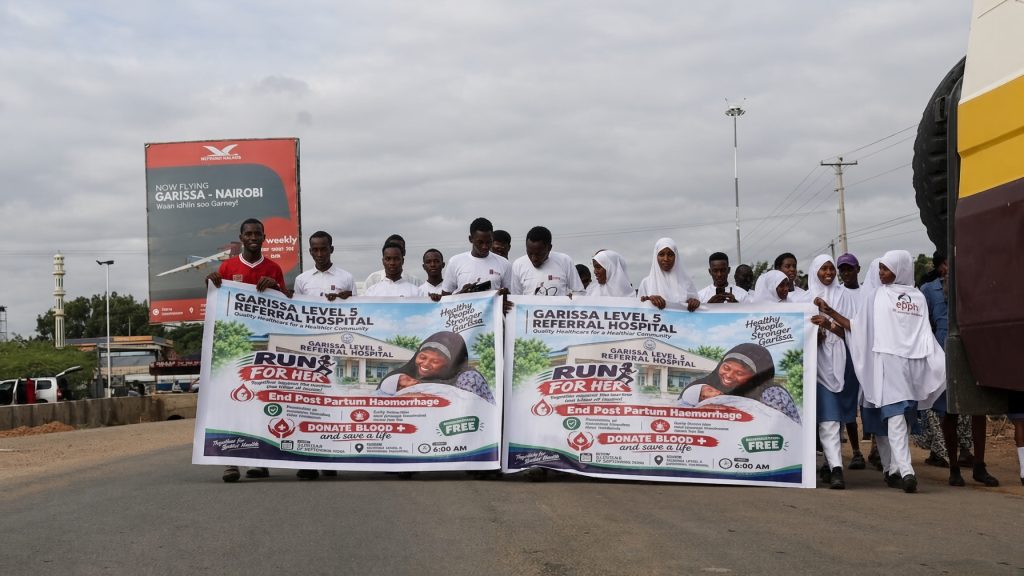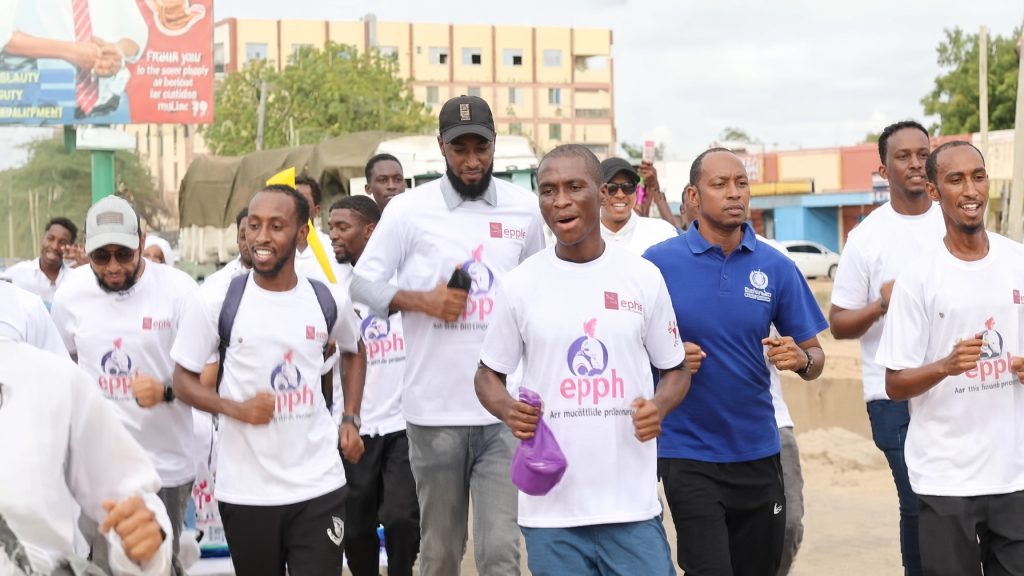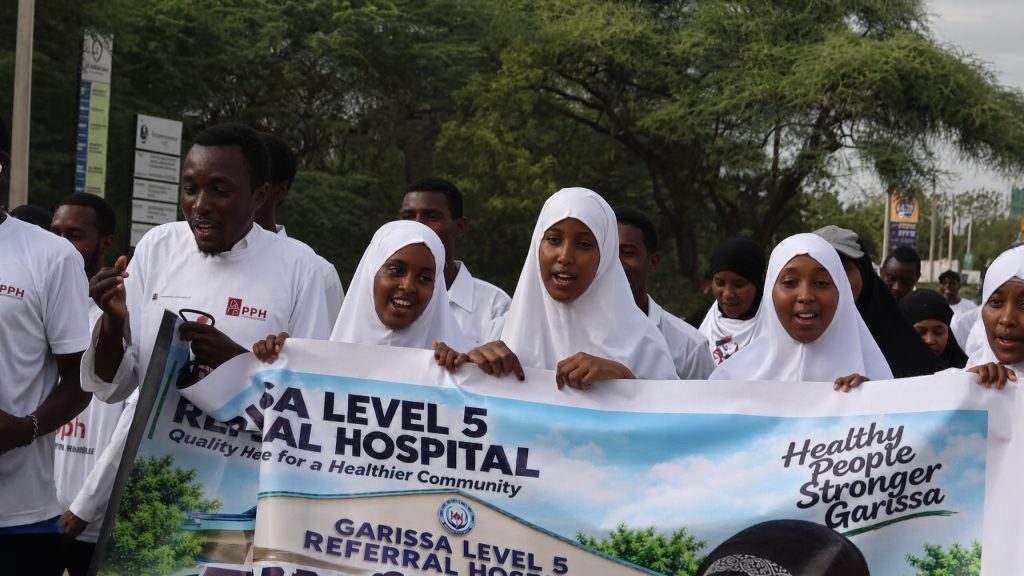

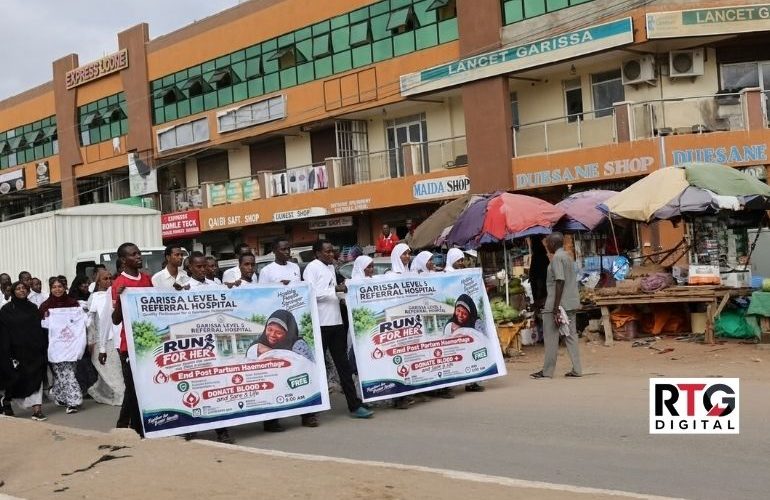
Health workers and residents on Sunday trekked five kilometres through Garissa town to raise awareness of postpartum hemorrhage, the excessive bleeding after childbirth that health officials say kills about 2,000 to 3,000 women in Kenya each year.
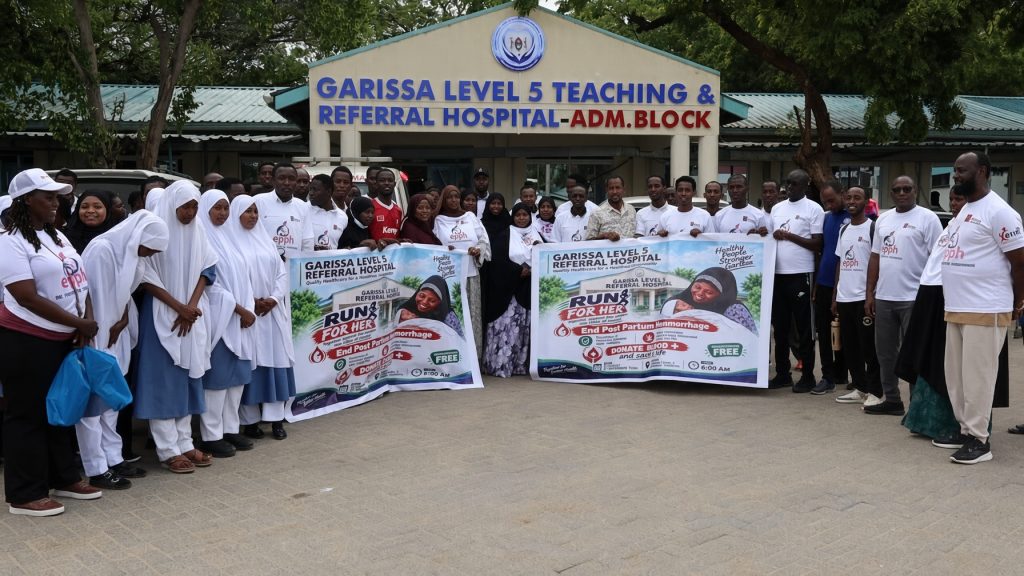
The “Run for Her” procession began at the regional commissioner’s assembly point, moved through the town centre and ended at Garissa County Teaching and Referral Hospital. The event is part of a wider campaign running in more than 13 African countries and other cities worldwide.
The initiative is a collaboration of the PPH Foundation, the Kenya Gynaecological Society, the Media Association of the University of Nairobi and other partners. Similar walks were planned at county offices in about 40 counties for people who could not attend the Garissa event.
Garissa County Director of Health Dr. Aden Hussein Ibrahim said the campaign is meant to bring a problem that has long stayed “hidden in hospital rooms” into public view.
“It aims to make maternal health a community responsibility and encourage governments, development partners and investors to invest in women’s health,” Ibrahim said.
He also urged residents to donate blood, saying timely transfusion can save mothers with severe bleeding.
Hospital Deputy CEO Hussein Basheey said postpartum hemorrhage can follow either vaginal delivery or caesarean section.
He listed risk factors including multiple pregnancy, large babies, retained placenta and prolonged labour.
Basheey urged pregnant women to start antenatal care early, deliver with skilled attendants, prevent and treat anaemia, and learn danger signs in pregnancy.
Dr. Amina Mohamed, an obstetrician-gynaecologist at the referral hospital, called for broader investment in women’s health and collective action by communities, religious leaders, government and health workers.
“Every woman, every child, every newborn, every drop of blood and every life matters. Let’s save a mother. Let’s donate blood,” Amina said.
Postpartum hemorrhage remains a leading cause of maternal death in Kenya and is especially severe in hotspot counties that include Garissa.
The walk was aimed at turning risks of Postpartum hemorrhage into a shared public responsibility rather than a crisis confined to labour wards.