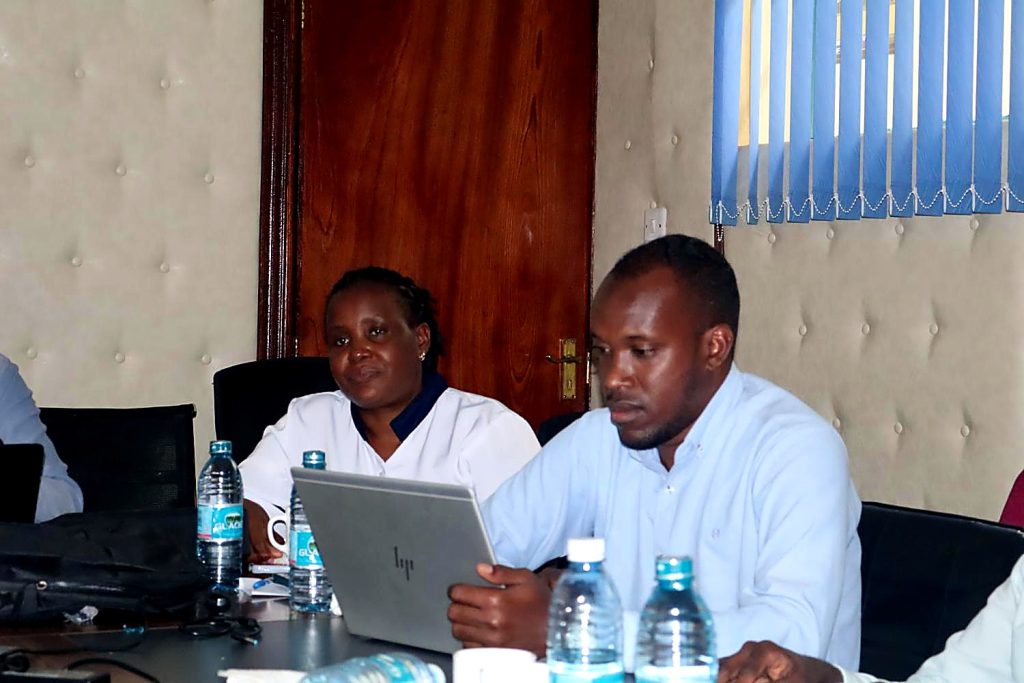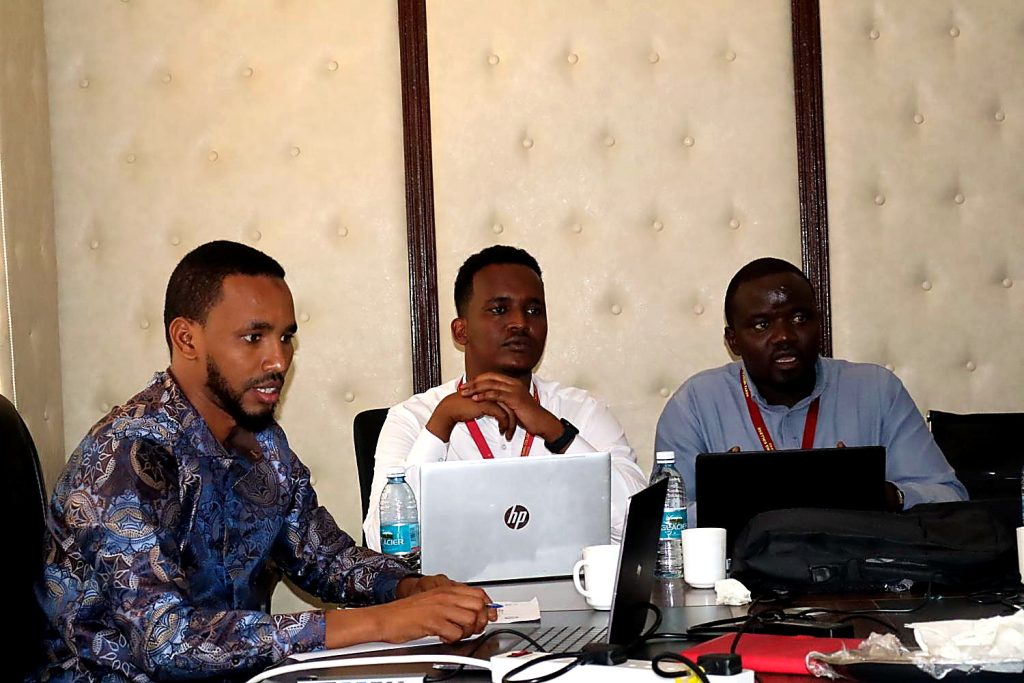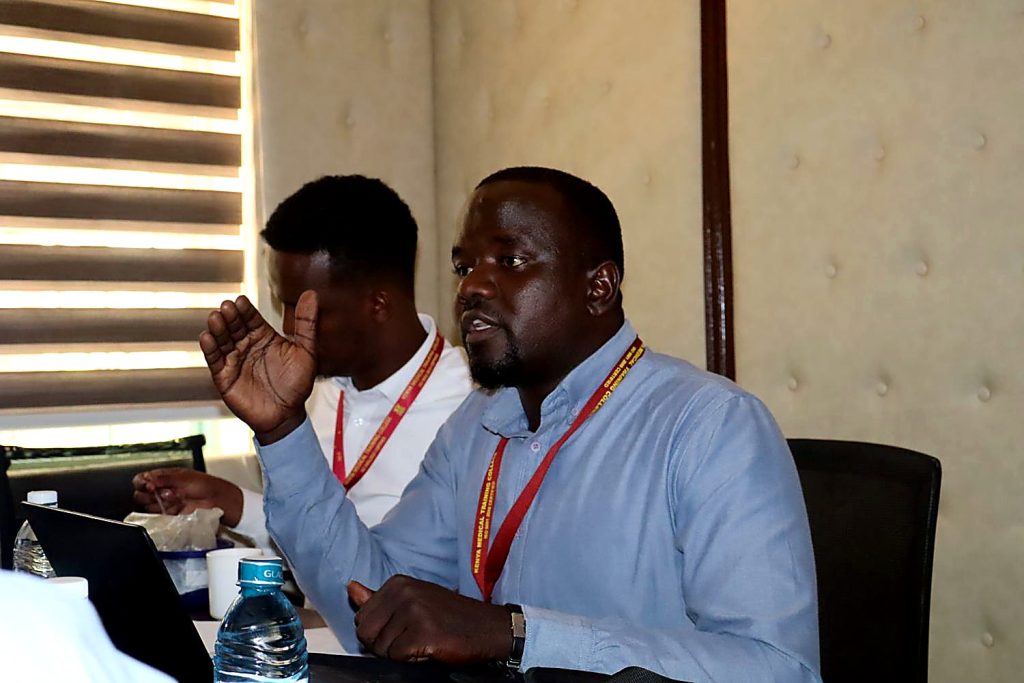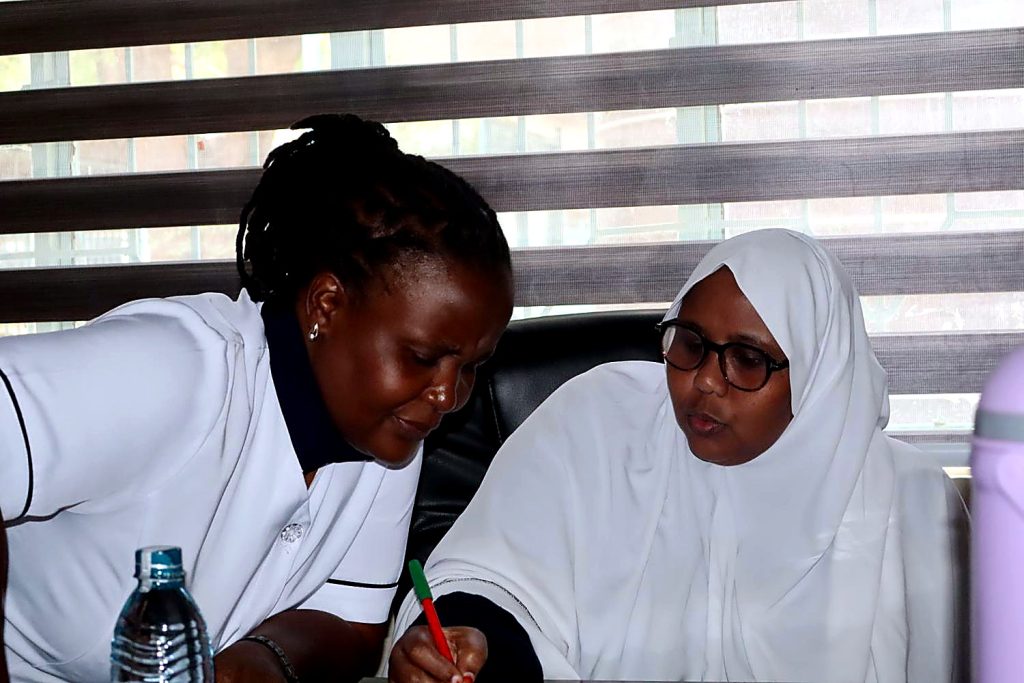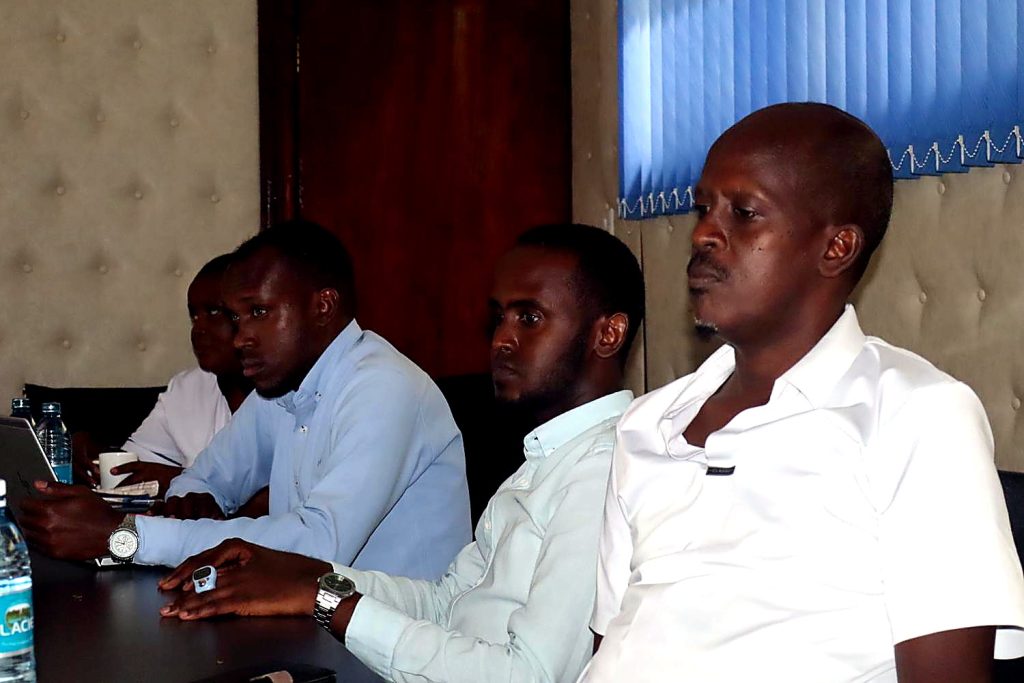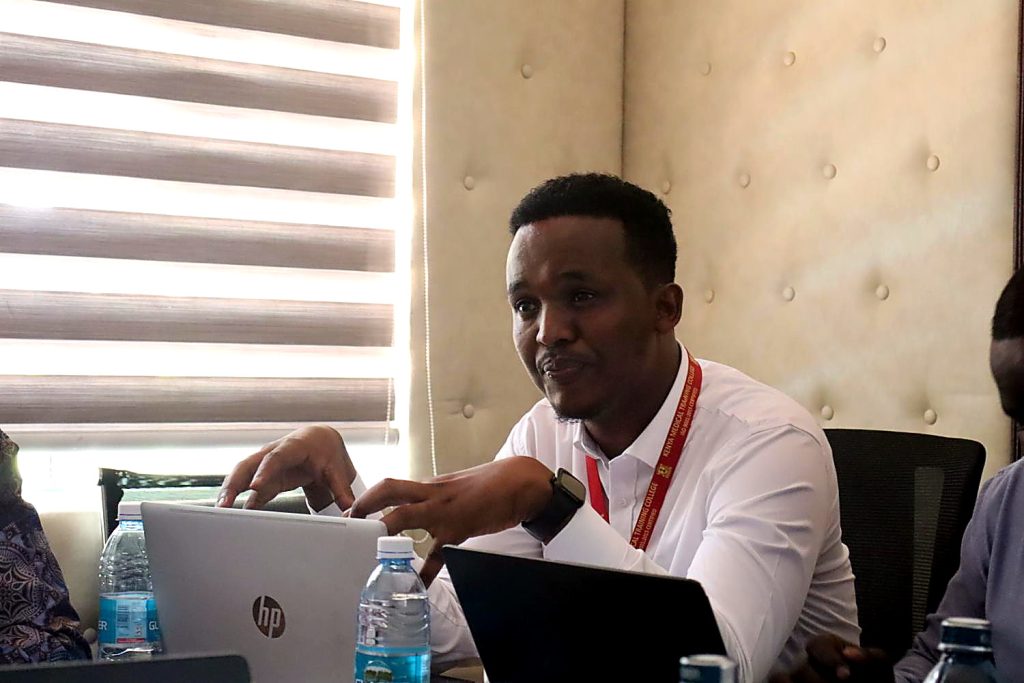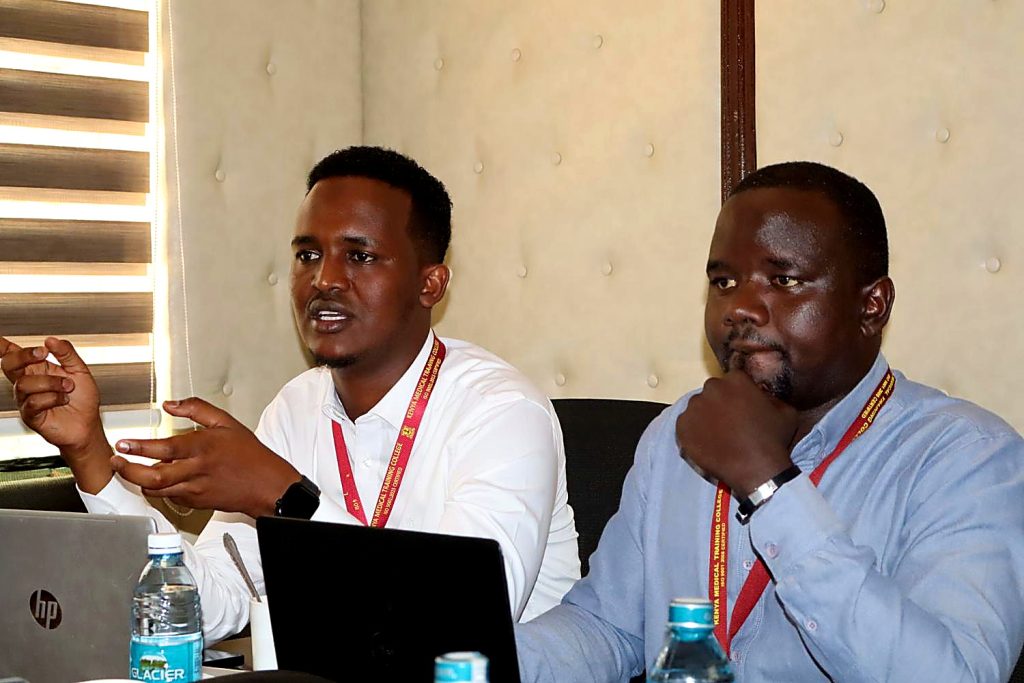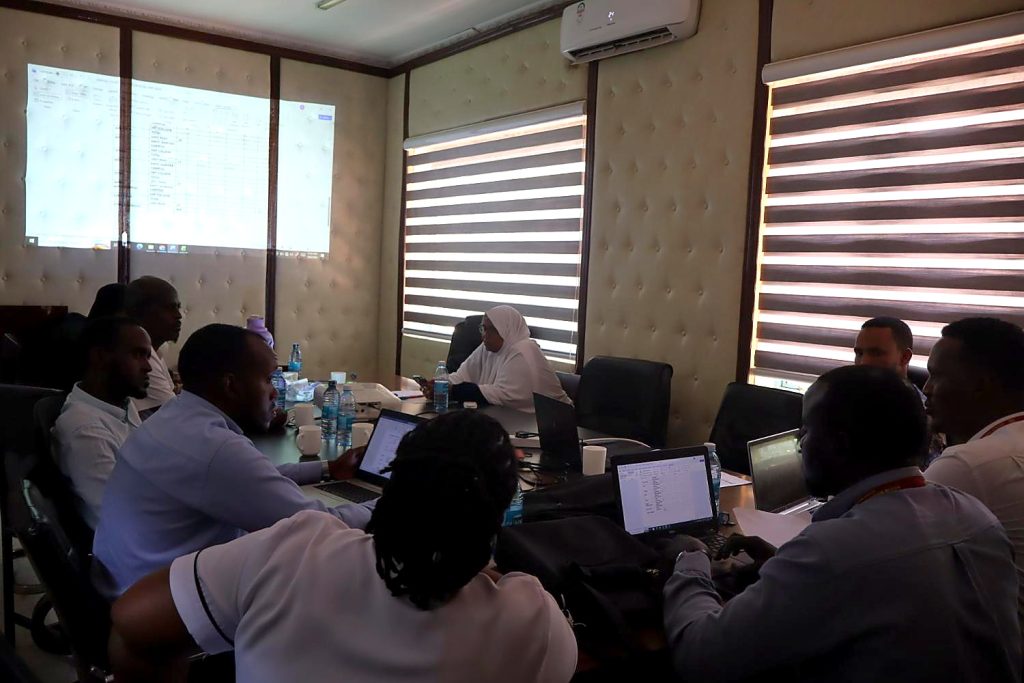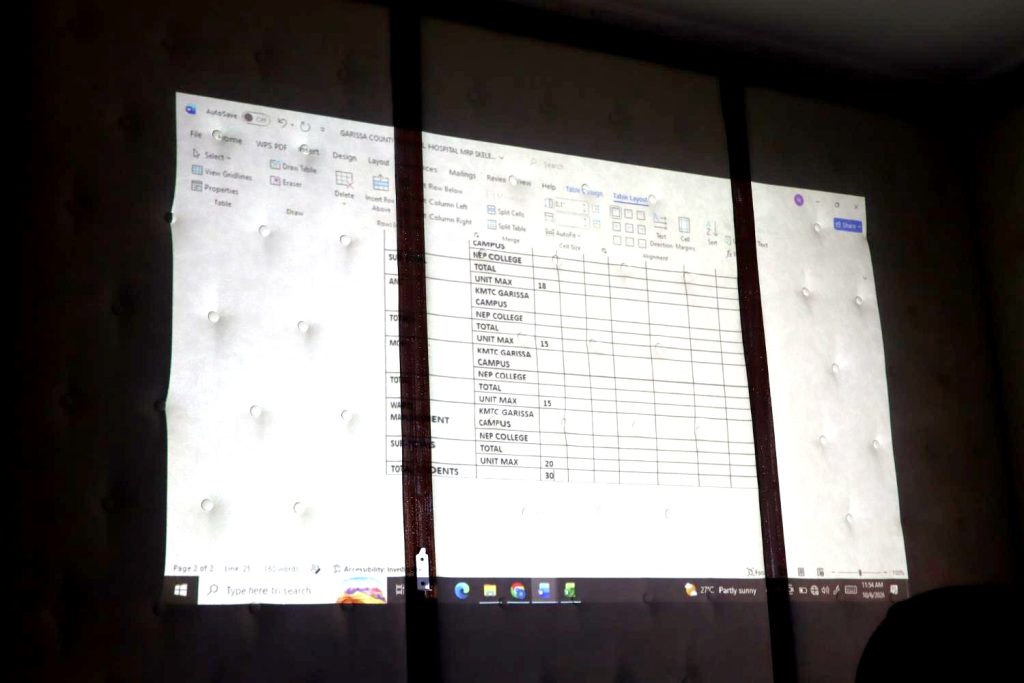

Garissa County Teaching and Referral Hospital has developed a six-month Master Rotation Plan (MRP) to streamline the clinical and community placement of students from Garissa Kenya Medical Training College (KMTC) and NEP College of Health Sciences.
Deputy Nursing Officer Jackline Kiria said the Master Rotation Plan provides a systematic schedule showing how students from different classes and groups will be placed across various clinical and community areas during their training.
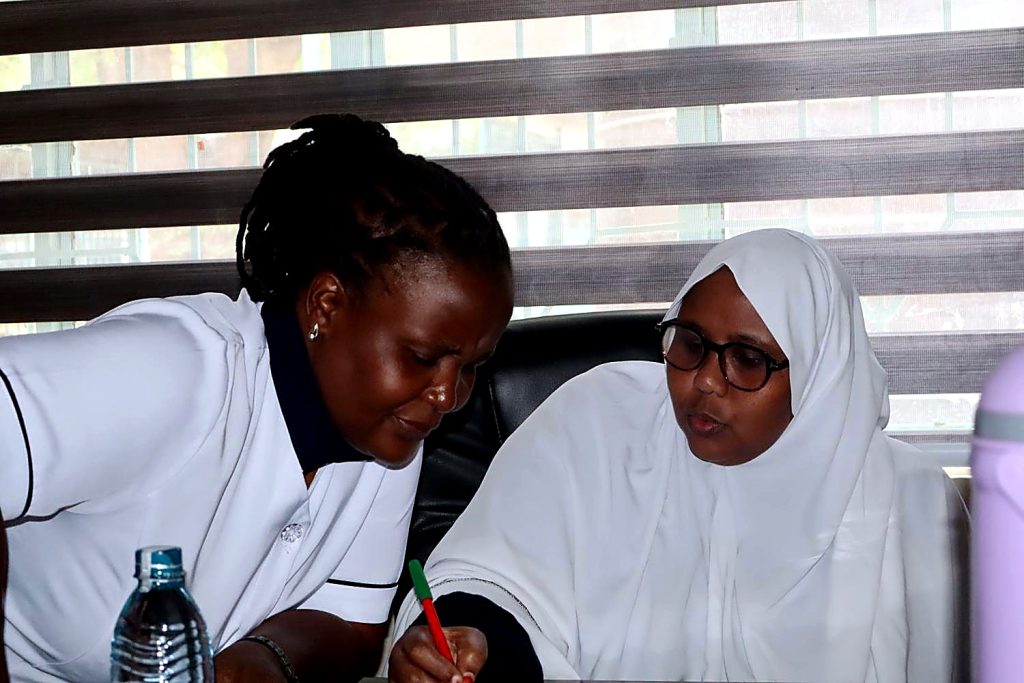
She said the plan outlines the duration and nature of each placement, including theoretical teaching blocks, partial blocks combining classroom instruction with clinical practice, and full clinical rotations.
According to Kiria, preparing the rotation plan in advance gives students, teaching faculty, and hospital service staff a clear picture of the academic and clinical programme, allowing them to coordinate their activities more effectively.
“The plan ensures that all concerned parties are aware of the placement of students in the different clinical fields,” she said.
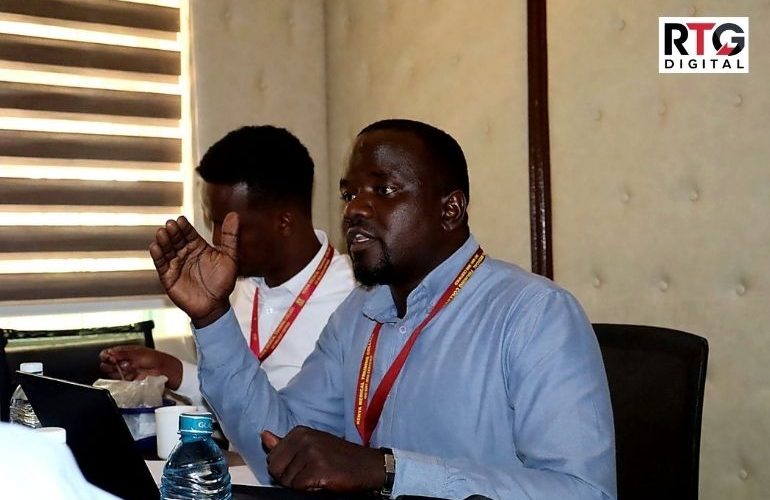
Mohamed Ali, Head of Nursing Department Nep College Of Health Sciences-Garissa, said the plan is aimed at strengthening coordination between classroom learning and practical training, enabling students to apply theoretical knowledge in real healthcare settings.
He said advance planning allows both students and teachers to prepare adequately for their respective assignments and ensures smoother cooperation between college faculty and hospital nursing service staff.
“The MRP will also support the hospital and training institutions in evaluating the effectiveness of the programme by providing a structured framework against which student placements and learning activities can be assessed.”
The plan further provides an advanced framework for academic activities, including examinations, vacations, and other curricular and co-curricular programmes.
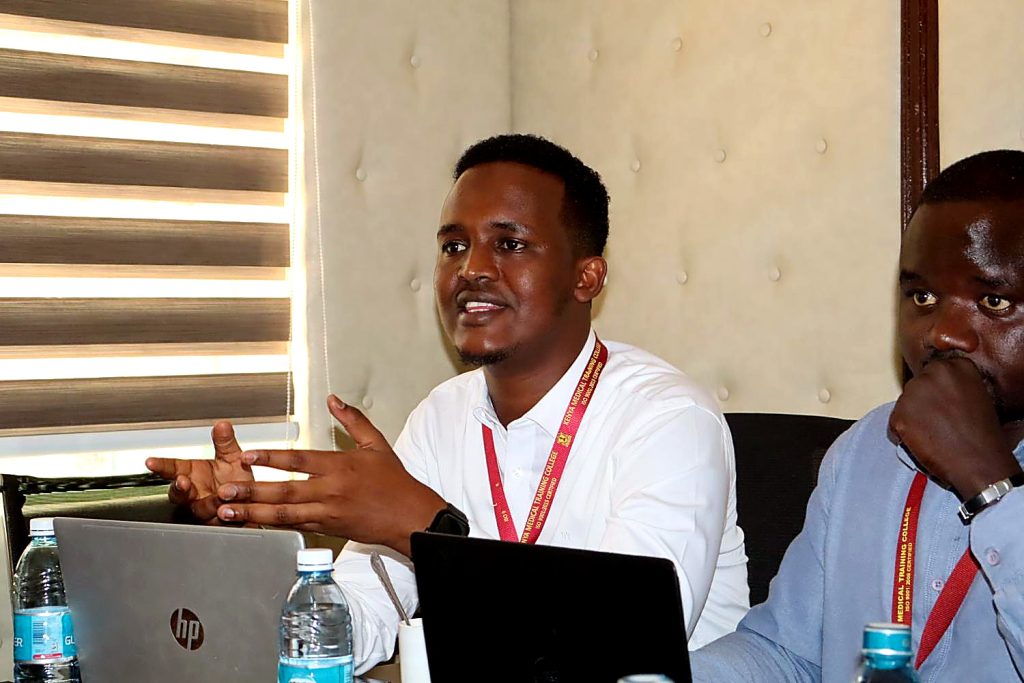
Mr Khalif Ali, the deputy principal of KMTC, said the plan will enable students to know in advance where and when they are expected to undertake their practical training.
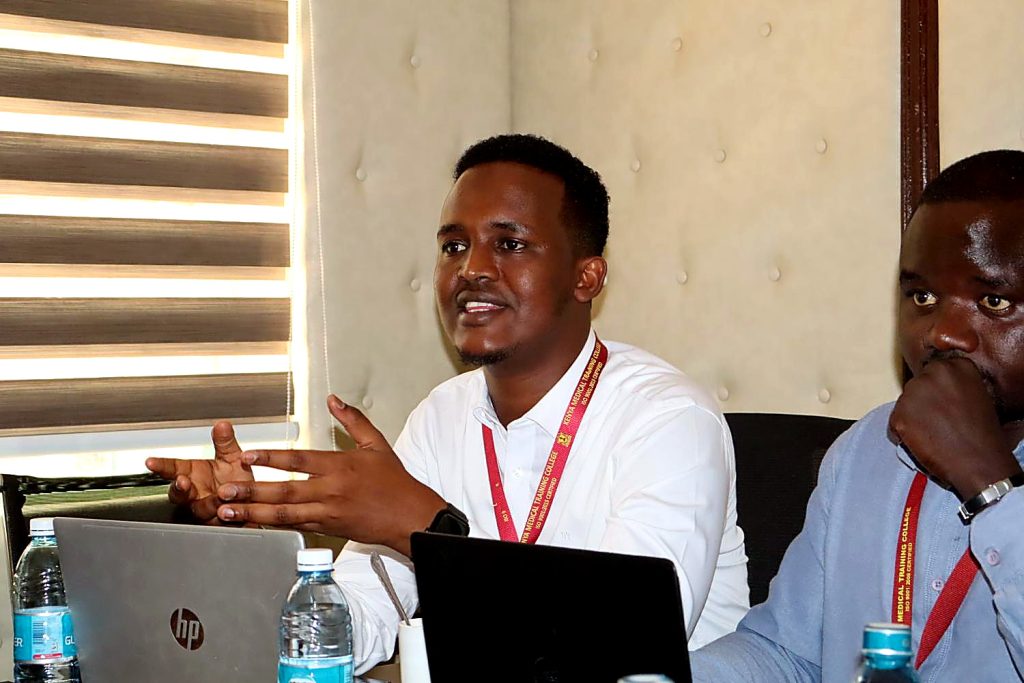
He said the arrangement would help minimise disruptions in the teaching–learning process by ensuring that student placements are coordinated with the hospital’s service delivery needs.
“The plan covers the students’ placement throughout the academic session and provides a consolidated picture of when they will be undertaking theoretical instruction, clinical practice, or community-based learning.”
For training institutions, such a structured approach is expected to improve communication between faculty and clinical supervisors while ensuring that students receive adequate exposure to different areas of healthcare practice.
“The rotation plan also gives students an opportunity to prepare psychologically and academically for their assignments before reporting to their respective clinical or community areas,” he added.
He said the plan is prepared well in advance to give all stakeholders sufficient time to organise their activities and work together towards achieving the objectives of the training programmes.
Garissa County Teaching and Referral Hospital continues to serve as an important clinical training ground for health sciences students in the region, linking classroom instruction with hands-on healthcare experience.
The structured rotation will support a smoother relationship between the training institutions and the hospital while ensuring that student learning is conducted without compromising routine health service delivery.