
Months after the outbreak of COVID-19 had changed the way the world lived and worked, I arrived in Mogadishu from Hargeisa to take up a new assignment as a Press Officer with the Information Support Team serving the African Union and United Nations missions in Somalia.
I had worked as a journalist with CBA TV in Hargeisa, where I had also helped establish what was described as the first English-language television station in Somaliland, with programming and coverage focused on Somali-speaking communities across the region. My new assignment, however, placed me in a very different environment.
The Information Support Team was based inside Halane, a heavily fortified compound in Mogadishu that housed personnel from international organisations and diplomatic missions. It was a place defined by security restrictions, controlled access and layers of protection.
But nothing prepared me for another kind of confinement.
COVID-19 protocols were strict. Every traveller arriving in Somalia was expected to undergo quarantine, and personnel were required to follow medical instructions designed to prevent the virus from spreading through the international community.
Soon after my arrival, I was placed under quarantine.
At first, I regarded it as an inconvenience that had to be endured. I had work to do. There were stories to pursue, people to meet and responsibilities attached to my new assignment. Like many journalists, I was accustomed to moving, gathering information and working under pressure.
Quarantine demanded the opposite.
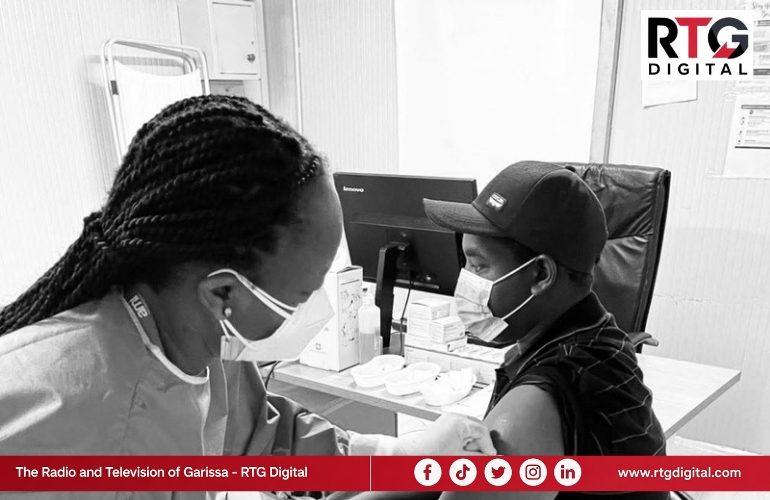
I was instructed to remain in my accommodation, work from there and monitor my temperature several times a day. Medical personnel would follow up with me, while the organisation provided guidance on meals, physical activity, psychological wellbeing and other aspects of life in isolation.
I was declared free of the virus and joined a battery of journalists tasked with providing information support to the two top diplomatic organizations in the country.
Then, while preparing for an R&R trip from the Halane Base Camp to Nairobi, came the news that changed the nature of my confinement.
I tested positive for COVID-19. For the first time. I was not showing any signs of the virus.
Suddenly, quarantine was no longer simply an administrative requirement imposed on people arriving and leaving the country. I had become a confirmed case.
I was placed in isolation.
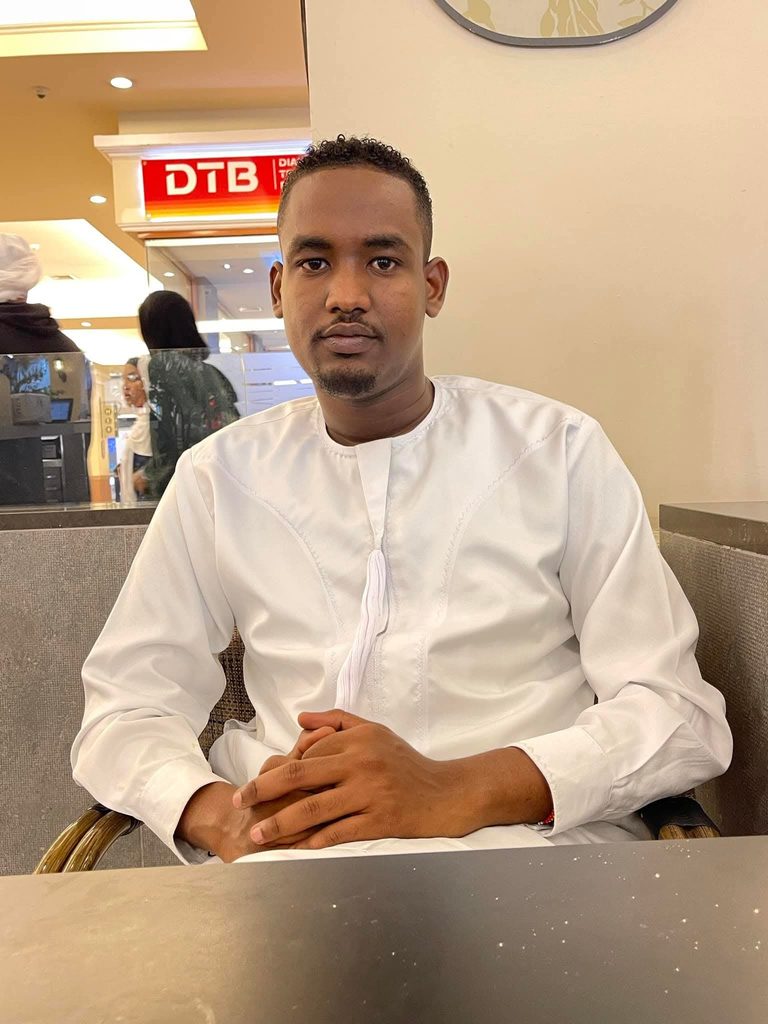
The email informing me that I was a confirmed COVID-19 case was clinical and direct, as such communications needed to be. I was told that the medical team would contact me to establish who I had been in contact with and to monitor my condition. I was instructed to record my temperature three times a day and immediately report any symptoms.
Daily follow-up calls became part of my routine.
Inside Halane, a place normally associated with security, movement and international diplomacy, my world became remarkably small.
My room became my office, bedroom and meeting place.
The corridors outside remained part of a larger compound whose activities continued, but for me, the world had been reduced to a door that I could not simply walk through.
There is something psychologically powerful about isolation. It is one thing to be physically separated from people because you choose to be alone. It is quite another to know that your separation is necessary because your presence could potentially endanger others.
That distinction weighed heavily.
I began thinking about the people I had met for work and my colleagues. Had I exposed anyone? Had someone unknowingly exposed me? Who had I sat next to? Who had I spoken to? The medical team’s contact-tracing questions suddenly became more than routine questions. They represented the human network through which a virus could travel.
COVID-19 forced us to understand proximity differently.
A handshake was no longer just a greeting. A meeting was no longer simply a meeting. Sitting across a table from a colleague could carry consequences neither person could see.
For a journalist, isolation also creates a professional dilemma.
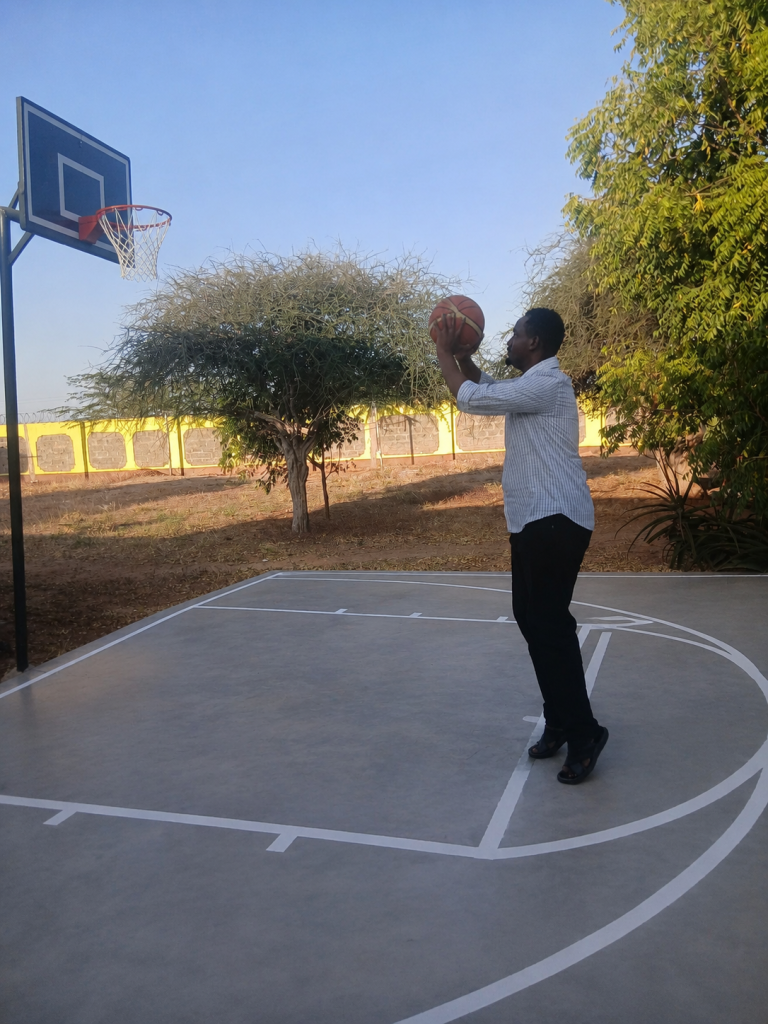
News does not stop because a reporter is confined to a room.
Deadlines continue. Events happen. Decisions are made. Editors expect updates. Colleagues continue working. Yet the journalist cannot simply leave the room and go where the story is.
I had work assignments waiting for me, and I was conscious that my absence could affect colleagues and supervisors. At one point, I sought formal clarification about the extension of my quarantine because I needed to understand how long I would remain unavailable and plan my professional responsibilities accordingly.
That experience taught me something about journalism that is easy to overlook: being present is often considered part of the profession, but sometimes responsibility means deliberately staying away.
Isolation therefore became an act of professional responsibility.
The medical team at the United Nations Support Office in Somalia closely monitored my physical condition. Their regular communication provided a sense that, although I was physically separated from everyone else, I was not forgotten.
I was given contacts for medical personnel, counsellors and a clinical psychologist. The organisation recognised that quarantine was not only a medical challenge but also a psychological one.
That was important.
The pandemic demonstrated that public health cannot be reduced to test results, thermometers and medical charts. Behind every positive result is a human being who may be worried, lonely, frustrated or uncertain about what comes next.
My experience inside Halane made that reality personal.
The fortified walls of the compound had always represented security. During my isolation, however, they acquired a different meaning. Security was no longer only about protecting people from external threats. It was also about protecting people from an invisible threat moving between human beings.
The most difficult part was perhaps the uncertainty.
I did not know exactly when normality would return. I had to wait for medical assessments and test results. Plans had to be adjusted. Work had to be reorganised. Everyday decisions were suddenly dependent on medical guidance.
For someone accustomed to deadlines, that waiting was difficult.
Yet isolation also created an unexpected opportunity for reflection.
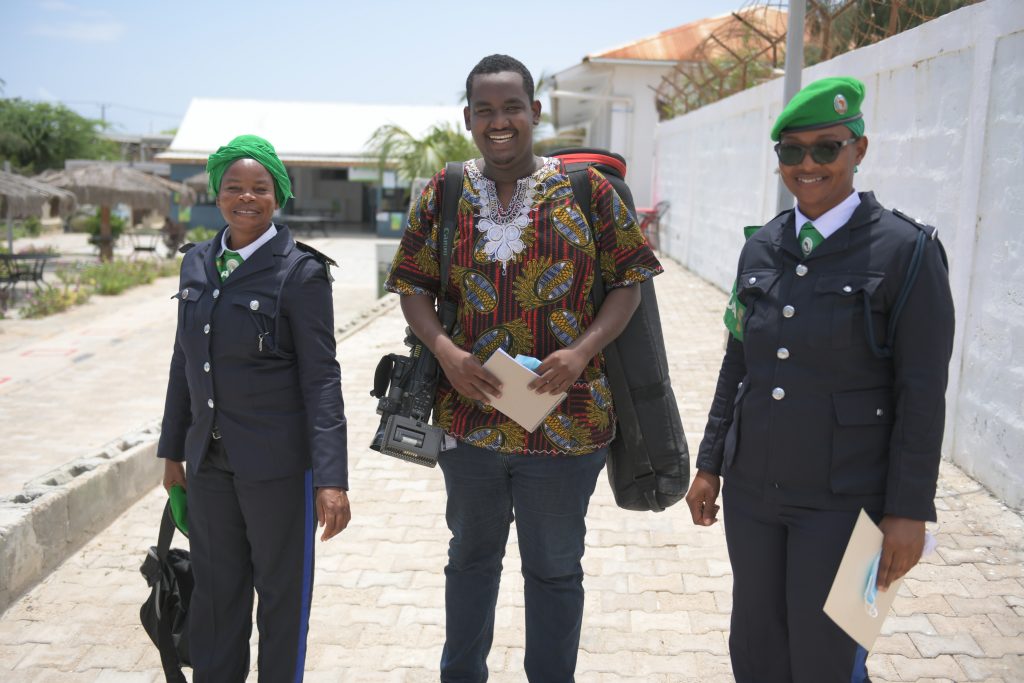
As a journalist, I had spent years reporting on conflict, politics, displacement and humanitarian crises in the Horn of Africa. I had often written about people whose lives were disrupted by circumstances beyond their control.
Inside that room, I experienced a small version of what it means to have your freedom of movement suddenly restricted.
It was temporary. It was medically necessary. And I had access to professional care and communication.
But it offered a glimpse into the emotional reality of people who experience much longer periods of isolation because of conflict, displacement, illness or insecurity.
COVID-19 changed the meaning of distance.
It taught us that sometimes staying away from people is an expression of care.
It taught institutions that communication is itself a form of support.
And it taught individuals that health decisions can have consequences far beyond themselves.
My isolation inside Halane eventually came to an end. But the memory remained.
Years later, the emails from that period still read like documents from another world: quarantine instructions, temperature logs, PCR tests, contact tracing and medical follow-ups.
Yet they also tell a deeply human story.
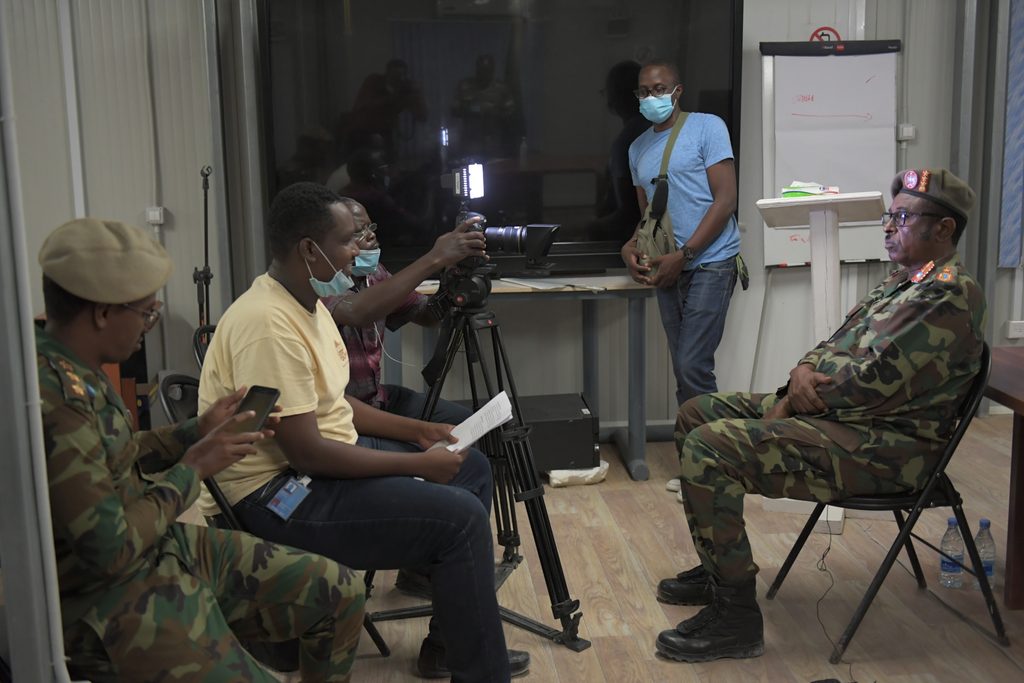
They tell the story of a journalist arriving in Somalia to begin a new chapter, only to find himself confined to a room by a virus that had already changed the world.
They tell the story of an international community trying to protect itself in the middle of a pandemic.
And they tell the story of how, behind the walls of one of Mogadishu’s most heavily fortified compounds, the greatest threat was not something visible at the perimeter.
It was something microscopic.
COVID-19 eventually became a chapter in history. For those of us who lived through isolation, however, it was also a deeply personal experience.
Halane Base Camp was the only place where I worked in Mogadishu. I never left the most secure part of Somalia, an area manned by the Uganda People’s Defence Forces.
It became a place where I learned the meaning of isolation.