
Since the advent of devolution in 2013, Garissa County has received tens of billions of shillings from the national government, a level of public investment that would have been unimaginable under the centralized system that preceded the Constitution of Kenya 2010.
Between 2020 and 2026 alone, Garissa County has been allocated approximately Sh58.56 billion through equitable share transfers, according to county budget figures. Annual allocations have steadily increased from Sh7.03 billion in 2020 to Sh9.89 billion in 2026, reflecting the expanding fiscal space created by devolution.
The allocations over the seven-year period are as follows:
- 2020 – Sh7.03 billion
- 2021 – Sh7.93 billion
- 2022 – Sh7.93 billion
- 2023 – Sh8.25 billion
- 2024 – Sh8.89 billion
- 2025 – Sh8.66 billion
- 2026 – Sh9.89 billion
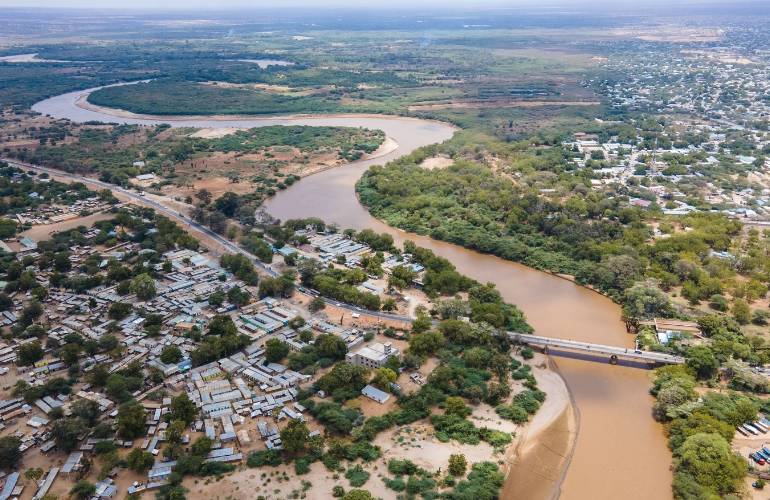
For a county with a population of 841,319 people spread across 44,753 square kilometres, the figures represent one of the largest sustained public investments ever directed to the region.
Yet the key question remains: how much of that money has translated into visible transformation in the lives of ordinary residents?
A Historic Shift
Before devolution, development resources in Northern Kenya were largely controlled from Nairobi. Local authorities had limited budgets and little influence over major infrastructure, health, water, or agricultural investments.
The result was decades of underdevelopment. Roads remained impassable, healthcare facilities were understaffed, water shortages persisted, and many communities felt excluded from national development plans.
Devolution changed that equation.
For the first time, county governments gained direct control over billions of shillings annually, allowing local leaders to determine development priorities based on local needs rather than decisions made hundreds of kilometres away.
The steady growth in Garissa’s allocation demonstrates how devolution has channelled resources into historically forgotten regions.
Municipalities Reaping New Benefits
One of the clearest examples of devolution’s impact is the establishment and financing of municipalities.
Municipalities such as Garissa have in recent years received approximately Sh50 million annually for urban development and service delivery. These funds support projects ranging from street lighting and drainage systems to market upgrades, waste management and urban planning.
Prior to devolution, such dedicated municipal funding streams were largely unavailable to towns in Northern Kenya.
The new funding has enabled local authorities to undertake projects that were previously beyond their reach and has created opportunities to improve urban infrastructure and attract investment.
The Missing Trickle-Down Effect
Despite the billions received, concerns remain about whether resources have adequately trickled down to villages, wards and remote settlements.
Residents across the county continue to cite challenges including inadequate water access, poor road networks, youth unemployment and limited economic opportunities.
While devolution has increased resource allocation, the impact depends on how effectively funds are managed, distributed and monitored.
The vast geographical size of Garissa presents an additional challenge. Delivering services across more than 44,000 square kilometres requires substantial investment in infrastructure and administration, often stretching available resources.
Critics contend that some communities remain disconnected from the benefits of county spending, raising questions about equity and prioritisation.
A Region Long Left Behind
The story of Garissa mirrors that of much of Northern Kenya.
For decades, the region lagged behind the rest of the country in key development indicators due to historical neglect and underinvestment.
Devolution was designed, in part, to correct these historical injustices by directing more resources to counties that had previously received less government investment.
The billions allocated to Garissa since 2020 demonstrate that the financial commitment exists. However, the true measure of success lies not in budget figures but in improved livelihoods, expanded economic opportunities and better public services.
Garissa county allocations approach the Sh10 billion mark annually, residents are increasingly demanding evidence that public spending is translating into tangible development on the ground.
The challenge facing county leaders is no longer securing resources. It is ensuring that every shilling reaches communities and delivers the transformation that devolution promised more than a decade ago.
Garissa county and the wider Northern Kenya region leaders must explain how much money is allocated to how effectively it is spent.