

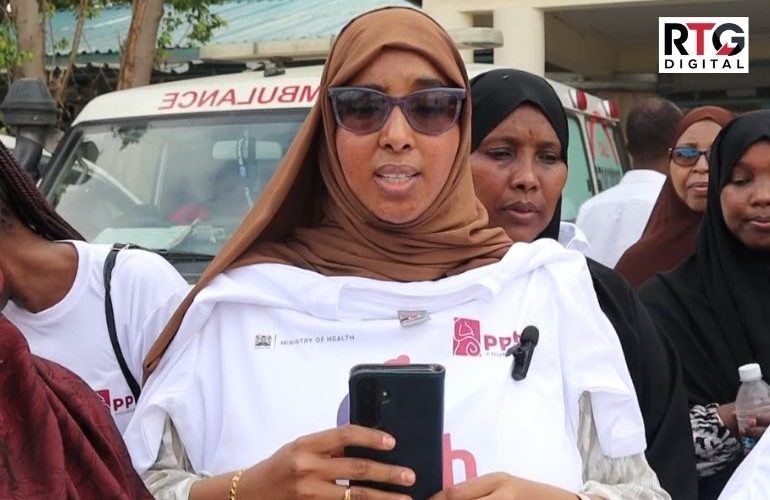
Women experiencing menopause have been encouraged to seek medical advice and support to manage symptoms that can affect their physical health, emotional well-being and quality of life.
World Menopause Day is observed annually on October 18 to raise awareness of menopause and improve the experiences of women around the world.
Dr. Amina Mohamed, an obstetrician-gynaecologist at Garissa County Teaching and Referral Hospital, said greater awareness of menopause was necessary to help women understand the changes associated with this natural stage of life and access appropriate healthcare.
“Menopause is a natural biological process that marks the end of a woman’s reproductive years,” said Dr. Amina.
According to the World Health Organization (WHO), menopause generally occurs between the ages of 45 and 55, although some women experience it earlier due to medical conditions or treatments.
Dr. Amina emphasised the importance of women understanding the changes occurring in their bodies and seeking professional guidance when symptoms become disruptive.
She noted that menopause affects women differently, with some experiencing few symptoms while others face challenges that interfere with their daily activities, relationships and work.
Common symptoms include hot flushes, night sweats, irregular menstrual periods, vaginal dryness, sleep disturbances, mood changes, anxiety and reduced sexual comfort.
The hormonal changes associated with menopause can also affect long-term health, including increasing the risk of osteoporosis and contributing to changes in cardiovascular health.
Dr. Amina encouraged women experiencing persistent or severe symptoms to consult healthcare professionals for assessment and guidance on available treatment options.
She said appropriate care should take into account each woman’s symptoms, medical history and individual needs, noting that both hormonal and non-hormonal interventions can help manage menopausal symptoms.
The gynaecologist underscored the need to address the stigma and silence surrounding menopause, which can prevent women from discussing their experiences with family members, colleagues and healthcare providers.
According to WHO, menopause is often overlooked in healthcare settings, leaving many women without adequate information, counselling and treatment.
WHO advocates for the integration of menopause-related services into routine healthcare, alongside improved training for healthcare workers to recognise symptoms and provide appropriate support.
Women undergoing the menopausal transition should also understand that pregnancy remains possible during perimenopause. Contraception is recommended until 12 consecutive months have passed without menstruation, provided there is no other cause for the absence of periods.
Health professionals further advise that menopause does not eliminate the risk of sexually transmitted infections, including HIV, making continued sexual health awareness important.
Dr. Amina highlighted the importance of helping women approach menopause with accurate information, timely medical support and the confidence to discuss their health concerns.
“Menopause is not a disease, but the transition can present health and social challenges that require appropriate attention. Improving awareness and access to care can help women maintain their well-being and quality of life before, during and after menopause,” she added.


