
National Drought Management Authority (NDMA) Chief Executive Officer Lt Col (Rtd) Hared Hassan has warned that rising lake levels across Kenya pose a growing threat to livelihoods, food and nutrition security, public infrastructure and access to essential services in affected communities.
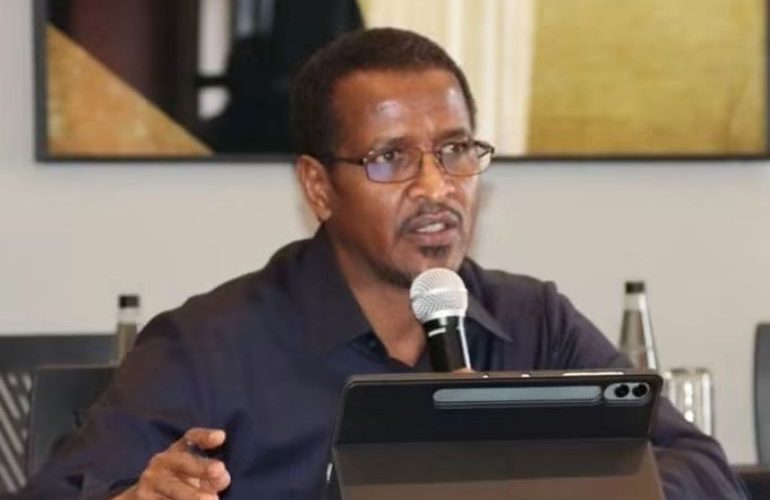
Hassan made the remarks on Thursday when he appeared before the National Assembly Departmental Committee on Environment, Forestry and Mining.
The committee, led by its Vice Chairperson and Baringo South MP Charles Kamuren, is inquiring into the rising lake levels and their impact on communities, livelihoods, infrastructure and the environment.
The inquiry is examining the causes and extent of the rising waters, their environmental and socioeconomic consequences, measures already being taken by the Government and other stakeholders, and appropriate short- and long-term interventions.
In his submission, Hassan highlighted the far-reaching effects on communities whose livelihoods depend on agriculture, livestock, fishing and other natural-resource-based activities.
He said flooding and displacement from expanding lakes can disrupt livelihoods, damage infrastructure and limit access to health facilities, schools, roads and markets.
The NDMA chief further cautioned that the impact could be especially severe for households already exposed to recurrent drought and other climate-related shocks.
“Rising lake levels have significant implications for food and nutrition security, livelihoods, displacement, access to essential services and the resilience of affected communities,” Hassan told the committee.
He stressed the need for coordinated interventions to protect vulnerable communities and strengthen their ability to withstand climate variability and other environmental shocks.
The parliamentary inquiry comes amid growing concern over changing water levels in several Kenyan lakes, with affected communities facing threats to homes, farmland, infrastructure and economic activity.
The committee is assessing evidence from Government agencies and other stakeholders before recommending measures to address immediate impacts and develop sustainable long-term solutions.
The discussions are expected to inform policy and planning on climate resilience, disaster risk reduction, environmental management and the protection of communities living around Kenya’s lakes.