
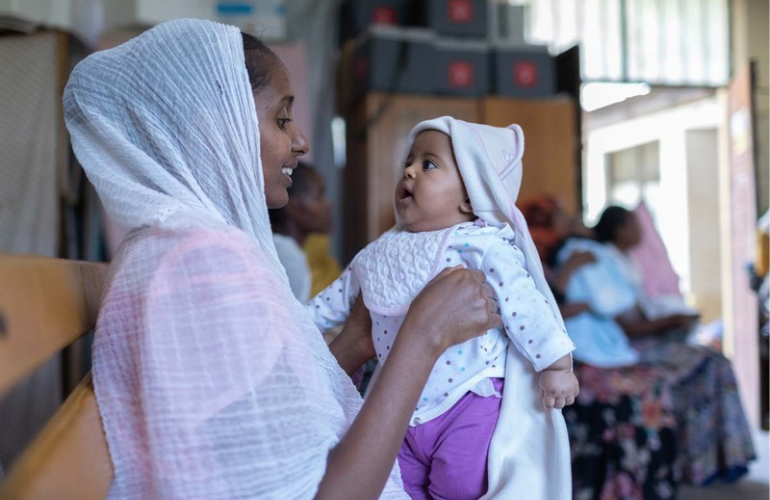
Measles remains one of the world’s most contagious diseases, posing a serious threat to children, particularly in communities where vaccination coverage is low.
The viral disease spreads through coughing and sneezing and can remain in the air for up to two hours after an infected person leaves an area.
Its symptoms include high fever, cough, a runny nose, red eyes and a rash that begins on the face before spreading across the body.
Although many children recover, measles can lead to life-threatening complications, including pneumonia, brain inflammation, blindness and death, especially among children under five and those with weakened immune systems.
For families in Garissa County, where many communities are remote and pastoralist, ensuring children receive routine immunisation is critical to preventing outbreaks.
Kenya has made huge progress through nationwide vaccination campaigns, but missed doses continue to leave some children vulnerable.
The measles vaccine is safe, effective and provides long-term protection. Children are advised to receive their first dose at nine months and a second dose at 15–18 months, in line with Kenya’s routine immunisation schedule.
The disease continues to circulate in different parts of the world, maintaining high vaccination coverage remains the best way to protect children, families and communities from a disease that is entirely preventable.