
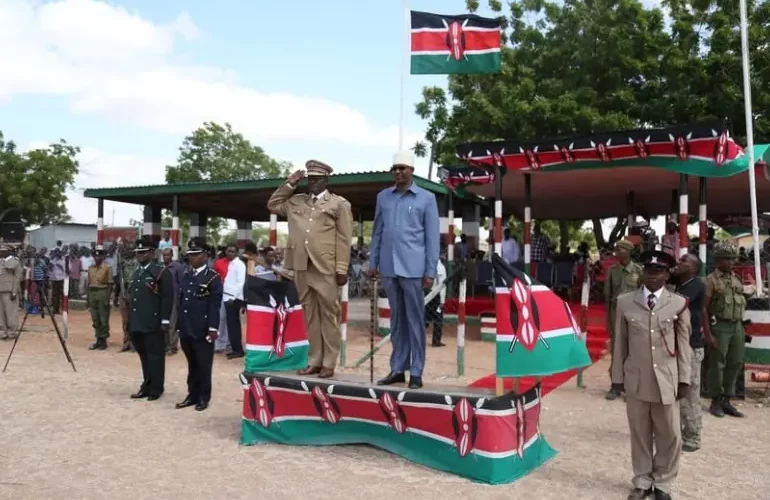
The decision to have Wajir host Kenya’s Madaraka Day celebrations in 2026 is more than a national event venue selection — it is a powerful statement of inclusion, recognition, and national unity.
For decades, northern Kenya remained on the margins of the country’s development agenda despite its historical importance and strategic role in regional trade and security.
Wajir, one of Kenya’s oldest towns established officially by the British in 1912, was often associated with drought, hardship, and neglect rather than opportunity and progress.
President William Ruto deserves commendation for making a bold decision that places northern Kenya firmly back into the national conversation.
By taking one of Kenya’s most important national celebrations to Wajir, the President is sending a clear message that every part of Kenya matters and that no region should remain forgotten.
The move also reflects the administration’s growing focus on integrating northern Kenya through infrastructure development, road connectivity, water projects, expanded healthcare, and support for pastoral economies.
For residents of Wajir and the wider northeastern region, the celebrations carry deep emotional significance.
It represent recognition after decades of marginalisation and an opportunity for the country to witness the resilience, culture, and economic potential of northern Kenya.
Kenya’s Madaraka Day celebrations in Wajir mark another milestone in the nation’s journey of self-rule while reaffirming the country’s commitment to inclusive development, unity, and national recognition across every corner of the republic.