
An extended specialist eye camp run with the King Salman Humanitarian Aid and Relief Centre delivered free surgeries, consultations, medicines and glasses to thousands of residents across Garissa and Northern Kenya.
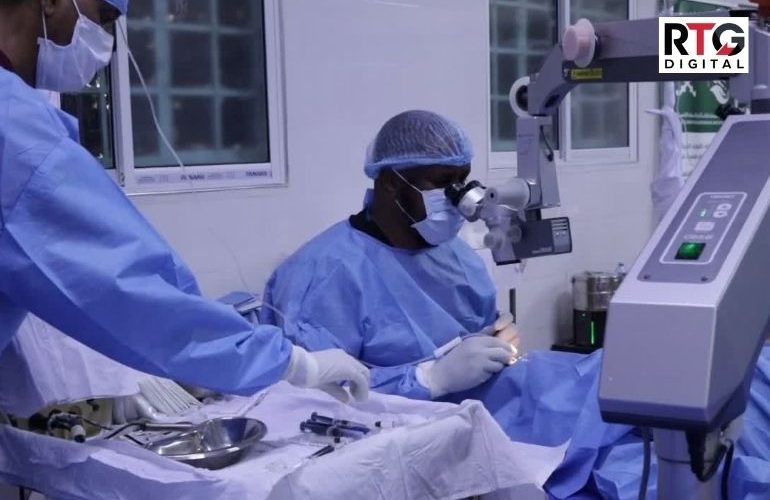
At least 300 patients have regained their sight after free cataract surgery at Garissa County Referral Hospital, while thousands more received consultations, medicines and prescription glasses during an extended specialist eye care camp that ended on September 29, 2026.
The four-day programme, first scheduled from September 24 to 27, was stretched to September 29 so that more patients needing specialised treatment could be seen.
The camp was organised by Garissa County Referral Hospital in partnership with the King Salman Humanitarian Aid and Relief Centre. All services were provided free of charge.
Dr. Amal Al-Shabibi, Head of the Ophthalmology Department at the hospital, said patients identified during screening would receive the specialist treatment and follow-up care their condition required.
She urged residents living with blurred vision, reduced eyesight and other symptoms linked to cataracts to seek early medical assessment.
Early diagnosis and timely treatment, she said, can help patients regain independence and improve their quality of life.
The high turnout, Dr. Al-Shabibi noted, underlines the need for continued screening, early diagnosis and accessible specialist ophthalmology services in Garissa and the wider Northern Kenya region.
For many families in Garissa and neighbouring counties, travelling outside the region for eye surgery has long been costly and logistically difficult. By bringing cataract operations, specialist consultations, medicines and glasses to the county referral hospital, the camp reduced those barriers and treated patients closer to home.
Beyond the 300 cataract operations, the intervention reached thousands of residents who would otherwise have gone without assessment or basic optical support.
Dr. Al Shabibi said officials at the hospital said the extra two days were added specifically to accommodate patients who still required specialised care after the original schedule.
The partnership with the King Salman Humanitarian Aid and Relief Centre made it possible to offer the full package of services at no cost to patients.
Hospital staff conducted screening, identified those needing surgery, and arranged follow-up based on individual clinical needs.
Cataracts remain a leading cause of preventable blindness. When left untreated they can strip people of the ability to work, travel or manage daily tasks.
The camp’s organisers presented the results as evidence that regular outreach, early detection and local specialist capacity can restore sight and reduce long journeys for treatment.
Dr. Al-Shabibi said: anyone experiencing the warning signs should not wait. Screening and timely surgery, she said, offer a realistic path back to independent living.