

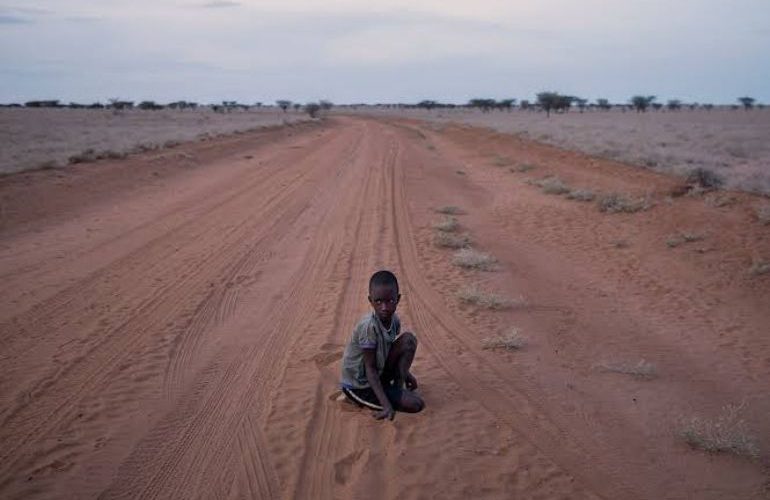
Kenya is hosting approximately 850,000 refugees, but worsening funding shortages are forcing humanitarian agencies to reduce food assistance and scale back essential services, raising concerns over deteriorating living conditions in refugee camps.
According to the 2025 East Africa Humanitarian and Emergency Affairs Report by World Vision, Kenya continues to play a critical role in providing refuge to people fleeing conflict and instability across the region.
However, declining humanitarian funding is undermining efforts to meet growing needs despite the government’s refugee integration agenda under the Shirika Plan.
The report says food ration reductions have become increasingly common in refugee camps, leaving thousands of families struggling to meet their basic nutritional needs.
The funding shortfall has also affected access to healthcare, education, clean water and other essential services, further exposing vulnerable populations to disease and malnutrition.
Kenya remains one of Africa’s largest refugee-hosting countries, with most refugees living in camps such as Dadaab and Kakuma. Many are from neighbouring Somalia, South Sudan, the Democratic Republic of Congo, Ethiopia and Sudan, having fled conflict, persecution and climate-related disasters.
The report notes that while the government continues to implement the Shirika Plan, which seeks to integrate refugees into local communities and promote self-reliance, humanitarian agencies are struggling to sustain support because international funding has declined significantly.
World Vision warns that shrinking resources are affecting not only refugees but also host communities that depend on shared public services and humanitarian programmes.
The pressure is particularly acute in Kenya’s arid and semi-arid regions, where prolonged drought has already increased food insecurity and strained limited resources.
During the 2025 financial year, World Vision Kenya implemented emergency responses to floods and landslides while continuing refugee programming in Kakuma Refugee Camp.
The organisation reached 188,000 people, including 154,000 refugees, through food assistance, protection services and other humanitarian interventions.
The report also highlights the wider humanitarian picture across East Africa, where conflict, climate shocks and economic hardship have displaced millions of people. Sudan’s ongoing conflict alone has become the region’s largest displacement crisis, forcing neighbouring countries, including Kenya, to absorb increasing numbers of refugees.
Humanitarian organisations say funding constraints are forcing difficult choices over which programmes can continue. Across the region, aid agencies have reported cuts to food assistance, health services and education programmes as humanitarian needs continue to outpace available resources.
World Vision is calling on governments, development partners and international donors to increase funding for refugee assistance while supporting long-term solutions that strengthen the resilience of both refugees and host communities.
The organisation says sustained investment in livelihoods, education, healthcare and local integration will be critical to preventing further deterioration in humanitarian conditions as displacement across East Africa continues to rise.