

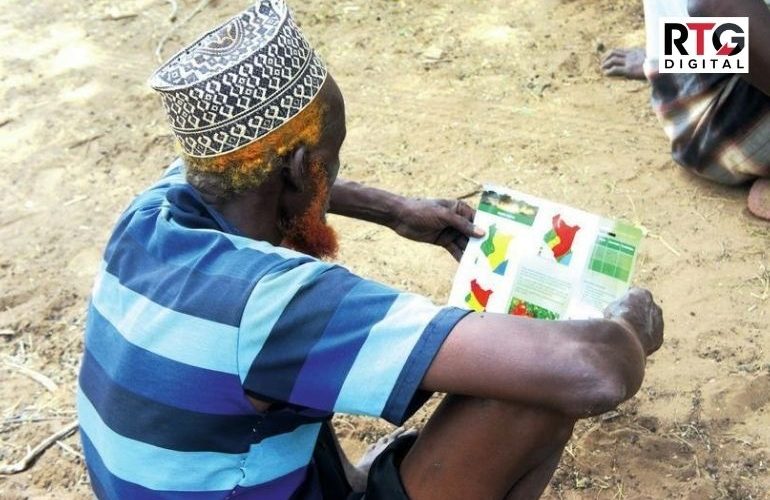
Garissa elders have called for stronger protection of older persons, saying their experience remains central to the social fabric, cultural heritage and pastoralist economy of the county.
Mr. Ahmed Abdiaziz said ageing should not push people to the margins of society.
He urged families, communities and government institutions to ensure older persons live with dignity, participate in community affairs and are protected from abuse, neglect and discrimination.
According to Kenya National Bureau of Statistics (KNBS) projections, Garissa had an estimated 28,075 people aged 65 years and above in 2025, including 12,949 males and 15,126 females. The number is projected to rise to 34,354 by 2030.
In a county where pastoralism remains a major livelihood, elders play a critical role beyond the household. They provide traditional knowledge on livestock, pasture and water, guide younger generations and participate in decisions affecting families and communities.
They also remain important actors in traditional dispute resolution, helping mediate family, clan and community disagreements and promoting peaceful relations.
“An elder is not simply someone who has grown old. Elders carry knowledge and experience that families and communities depend on,” Ahmed Ali said.
Mzee Mohamud Gedi said older people who can no longer engage fully in livestock activities should not be abandoned.
“Some elders cannot walk long distances or manage livestock as they did when they were younger. They need support, but above all, they need dignity and respect,” he said.
The elders said their contribution to Garissa’s social economy is often overlooked. In pastoralist communities, generations of knowledge about livestock movement, drought, pasture and water resources can influence household decisions and community survival.
They urged younger generations to continue seeking guidance from older people while ensuring that elders are included in discussions on development, peace, culture and community welfare.
With the number of residents aged 65 and above projected to increase over the coming years, the elders said Garissa must strengthen systems that support older persons while creating opportunities for them to remain active participants in community life.
“Respecting older persons is also about protecting our history, knowledge and identity,” Mr. Haji said.
The elders called for collective action to ensure that no Garissa resident is left behind because of age.
“Communities that value their elders also preserve the knowledge and social bonds that hold them together.”