
The National Disability Agency of Somalia has called on government institutions, humanitarian organisations and international partners to ensure persons with disabilities are fully included in emergency preparedness and disaster response plans as the country faces heightened risks of climate-related disasters during the 2026 Deyr rainy season.
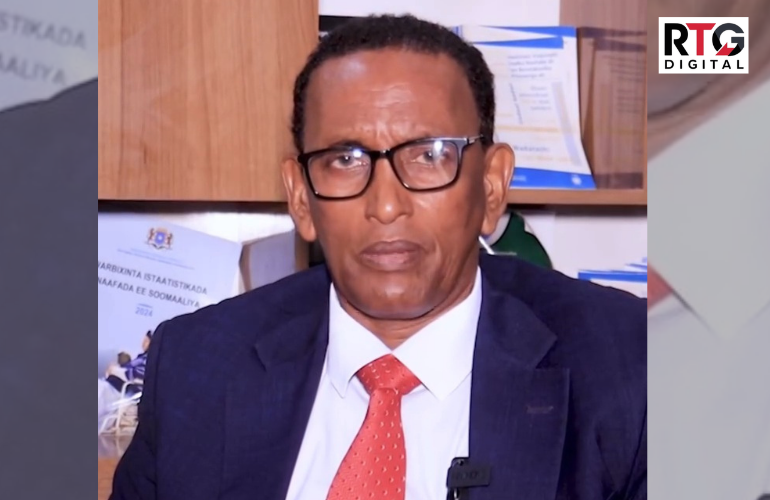
Mohamed Abdi Jama, chairman of the agency, urged the Somali Disaster Management Agency (SoDMA), Federal Government agencies, Federal Member State institutions, development partners and United Nations agencies to involve persons with disabilities at every stage of disaster management, from planning and preparedness to emergency response and recovery.
“I call on the relevant institutions and committees to ensure that persons with disabilities are included in emergency preparedness and disaster response plans, with their specific needs taken into consideration,” Jama said.
He emphasised that persons with disabilities should not be viewed solely as recipients of humanitarian assistance but also as active participants in decision-making and the implementation of emergency interventions.
Jama warned that persons with disabilities are particularly vulnerable during emergencies because they often face barriers to accessing early warning messages, evacuation services, humanitarian assistance and essential information.
“They should be involved in every process, from the planning stage to implementation. They must also receive accurate and accessible information because they are among those most likely to be left behind during emergencies,” he said.
He further stressed that persons with disabilities have an important role to play in rebuilding affected communities and should be represented in decisions concerning post-disaster recovery.
The appeal comes amid warnings of potentially severe flooding across parts of Somalia during the October–December 2026 Deyr rainy season, as strengthening El Niño conditions increase the likelihood of above-normal rainfall.
According to the Food and Agriculture Organization (FAO), seasonal forecasts indicate up to a 90 per cent probability of above-normal rainfall in parts of central and southern Somalia. The Juba and Shabelle river basins are among the areas facing heightened flood risks.
The forecast has prompted calls for early preparedness measures, including strengthening early warning systems, identifying evacuation routes, pre-positioning emergency supplies and improving communities’ capacity to respond to potential flooding.
The scale of disability in Somalia further underscores the importance of the agency’s appeal.
A study published in 2026, drawing on Somalia’s 2022 Integrated Household Budget Survey, found that 11.95 per cent of adults aged 18 and above reported having at least one disability. The analysis covered 19,832 adults, highlighting the significant number of people who could face additional challenges during humanitarian emergencies.
Another analysis of the same national household survey estimated disability prevalence at 16.2 per cent, illustrating the importance of comprehensive disability data and consistent measurement.
Barriers to essential services extend beyond emergency situations. Research published in the Pan African Medical Journal found that only four per cent of people with disabilities who required assistive devices had access to them, while enrolment in social protection schemes remained limited.
For people with mobility, visual or hearing impairments, inaccessible evacuation centres, transport systems and public communication channels can significantly increase their exposure to danger during floods and other disasters.
Jama called on humanitarian organisations to adopt more disability-inclusive approaches, including providing information in accessible formats, establishing evacuation arrangements that accommodate people with different disabilities, and ensuring that temporary shelters and humanitarian distribution centres are physically accessible.
The United Nations has also highlighted the exclusion of persons with disabilities from disaster risk reduction planning and decision-making as a major concern, calling for their meaningful participation in efforts to build resilient communities.
Somalia is prepareing for the Deyr rainy seaso; the appeal places renewed emphasis on ensuring that emergency interventions reach all vulnerable groups.
Jama maintained that persons with disabilities must be recognised as essential stakeholders in disaster preparedness, response and recovery, rather than being treated solely as beneficiaries of humanitarian assistance.
“With climate-related shocks continuing to threaten livelihoods, infrastructure and communities across Somalia, ensuring that no one is left behind will be critical to the effectiveness of the country’s disaster response,” he added.