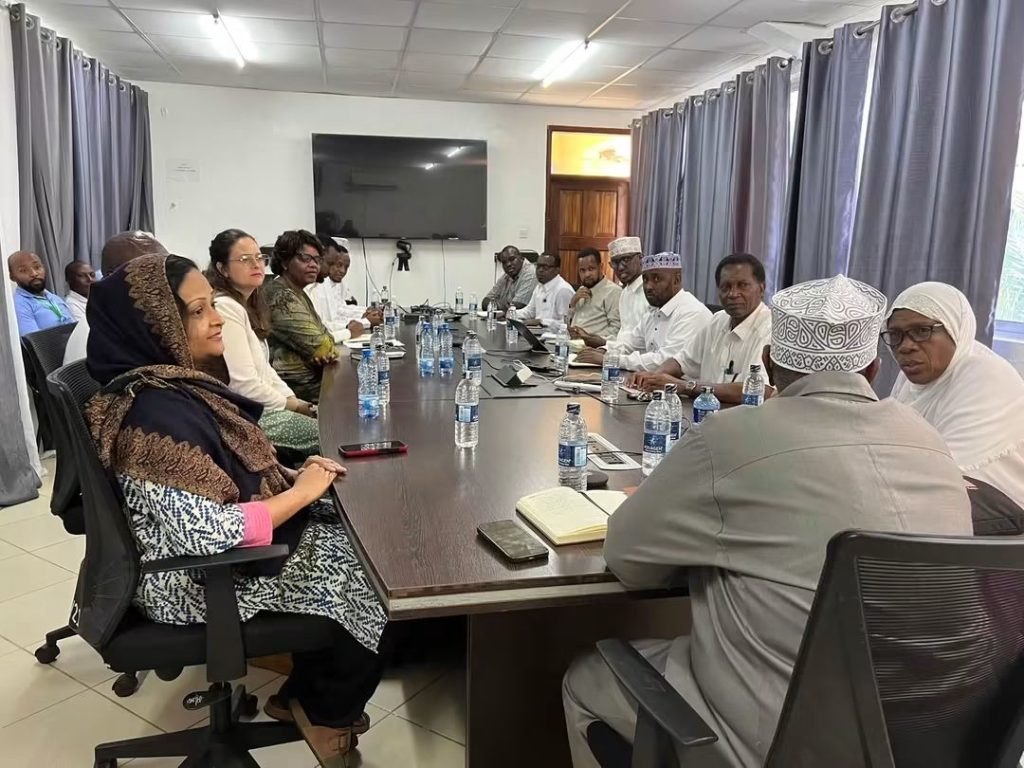

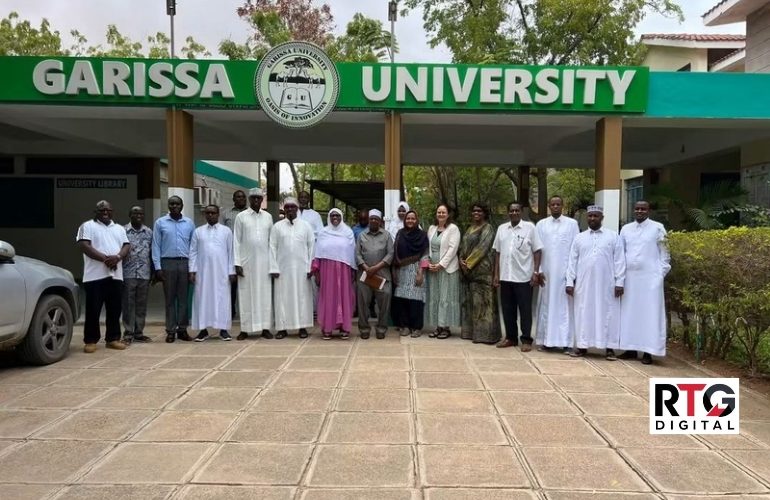
The Technical University of Mombasa (TUM) has concluded a two-day peacebuilding and community engagement at Garissa University, bringing together academics and stakeholders to discuss religious peacebuilding, interfaith dialogue and conflict prevention.
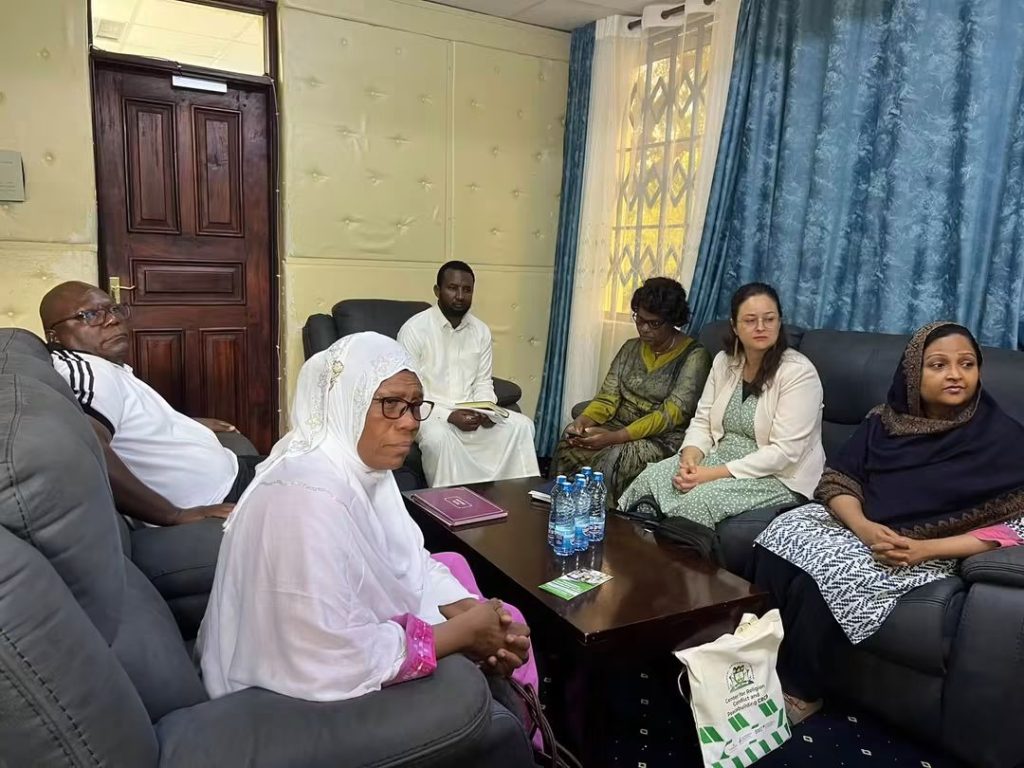
The engagement was led by TUM’s Centre for Religion, Conflict and Peacebuilding (CRCP), with TUM Vice Chancellor Prof. Laila Abubakar paying a courtesy call on Garissa University Vice Chancellor Prof. Ahmed Osman Warfa at the beginning of the programme.
The discussions focused on strengthening interreligious dialogue, intercultural coexistence and approaches to preventing violent extremism and radicalisation.
CRCP said meaningful discussions on security, peacebuilding and conflict resolution must include Garissa, given the region’s experience with violent extremism and its impact on communities and institutions of learning.
The engagement also reflected on the April 2, 2015 attack on Garissa University College, in which 148 people, mostly students, were killed by Al-Shabaab militants.
Since the attack, Garissa University has expanded its academic programmes and partnerships around peace, security and community resilience.
“The TUM team is here to listen, learn, and engage with our colleagues and partners on issues that are critical to building peaceful and resilient communities,” CRCP said.
Over the two days, participants examined conflict sensitivity, sustainable peacebuilding, hate speech, misinformation and the role of digital platforms in either fuelling or preventing conflict.
The discussions also highlighted digital peacebuilding and CRCP’s Slash The Hate campaign, which seeks to promote responsible engagement and counter harmful content in online spaces.
Established in 2025 within TUM’s Department of Social Sciences, CRCP focuses on multidisciplinary research and education on conflict and peace, with particular attention to religious dimensions of peacebuilding.
The Garissa engagement builds on the Centre’s previous work, including student interfaith field engagements and research examining the links between climate-related pressures, insecurity and violent extremism in Garissa and Wajir.
The two universities described the engagement as an opportunity for shared learning, bringing together academic research, teaching and practical approaches to peacebuilding.
CRCP said the delegation exchanged experiences with colleagues working in a region shaped by both the trauma of violent extremism and ongoing efforts towards recovery, resilience and peaceful coexistence.