
When residents complain about poor roads, unreliable water supplies, understaffed health facilities or delayed development projects, attention often turns to the county government.
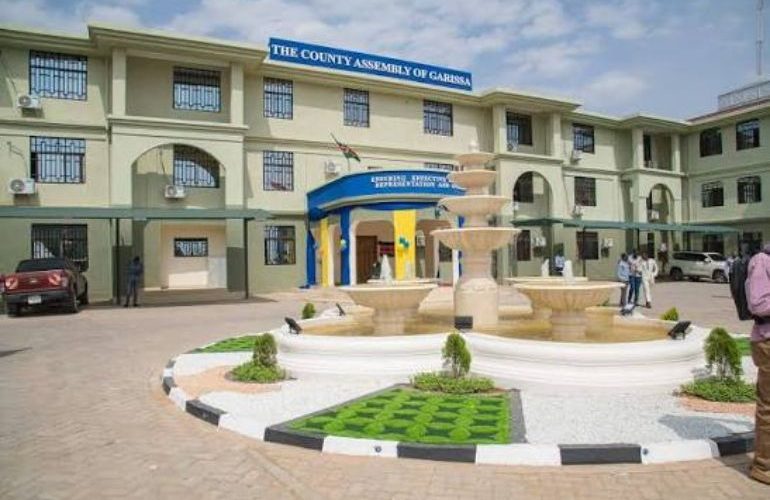
Less understood, however, is the institution charged with ensuring the executive delivers on its promises: the Garissa County Assembly.
Created under Kenya’s Constitution of 2010, the Assembly is the legislative arm of the county government. While the Governor leads the executive and implements development programmes, the Assembly makes county laws, approves budgets, scrutinises public spending and holds the executive accountable on behalf of the people.
Its work is central to the success or failure of devolution.
How the Assembly is Constituted
Under Article 177 of the Constitution, the Garissa County Assembly comprises elected and nominated Members of County Assembly (MCAs).
Each ward in Garissa County elects one MCA through universal suffrage during a general election. These elected members represent the interests of their wards, present residents’ concerns in the Assembly and advocate for equitable allocation of county resources.
The Assembly also includes nominated MCAs. Political parties nominate these members to ensure compliance with constitutional requirements on gender balance and the representation of marginalised groups, including persons with disabilities, youth and other special interests where applicable.
Although they enter the Assembly through different routes, elected and nominated MCAs have equal voting rights and perform the same legislative, oversight and representative functions.
A Legislature, Not an Executive
Unlike the Governor and the County Executive Committee, MCAs do not implement projects or directly manage county departments.
Their constitutional role is to legislate and oversee.
This distinction is often misunderstood. While residents may associate an MCA with local development projects, the member’s principal responsibility is to ensure the county government plans, budgets and spends public resources lawfully and efficiently.
The Assembly passes county legislation governing devolved functions such as agriculture, livestock, health services, county roads, water services, markets, trade, environmental conservation and cultural affairs.
Without Assembly approval, many county programmes cannot proceed.
Oversight at the Heart of Devolution
Perhaps the Assembly’s most significant responsibility is oversight.
Through House committees and plenary sessions, MCAs examine expenditure reports, review audit findings, question county officials and monitor the implementation of development projects.
Where concerns arise over procurement, stalled projects or misuse of public funds, committees have the authority to summon officials and demand explanations.
This oversight role is intended to promote transparency, accountability and prudent management of taxpayers’ money.
Controlling the County Purse
Every financial year, the Garissa County Executive prepares a budget outlining proposed expenditure across sectors including healthcare, water, roads, agriculture, education and infrastructure.
Before any public money can be spent, the budget must be scrutinised and approved by the County Assembly.
MCAs review allocations, propose amendments where necessary and ensure the budget reflects public priorities gathered through constitutionally required public participation forums.
In practice, this means the Assembly decides whether county spending aligns with the needs of residents.
Representing the Public
MCAs also serve as the closest elected representatives to the people.
They channel community concerns to the Assembly, petition the executive on behalf of residents and facilitate public participation before important legislation and budgets are approved.
The Constitution recognises public participation as a cornerstone of devolution, requiring citizens to have a voice in county decision-making.
Committee System
Much of the Assembly’s work takes place away from the chamber.
Sectoral and select committees scrutinise legislation, analyse budgets, investigate departmental performance and prepare reports before matters are debated by the House.
This committee system allows detailed examination of policy proposals and government expenditure before decisions are made.
Why It Matters
The effectiveness of the Garissa County Assembly directly influences the quality of governance across the county.
An active Assembly can improve financial accountability, strengthen oversight, enhance service delivery and ensure county policies reflect the priorities of residents. A weak Assembly, by contrast, risks allowing poor governance and inefficient use of public resources to go unchecked.
More than a debating chamber, the Garissa County Assembly is a constitutional institution designed to balance executive authority and safeguard the interests of citizens.
Through its elected and nominated MCAs, it remains one of the principal pillars of Kenya’s devolved system of government, ensuring that power at the county level is exercised transparently, lawfully and in the public interest.