

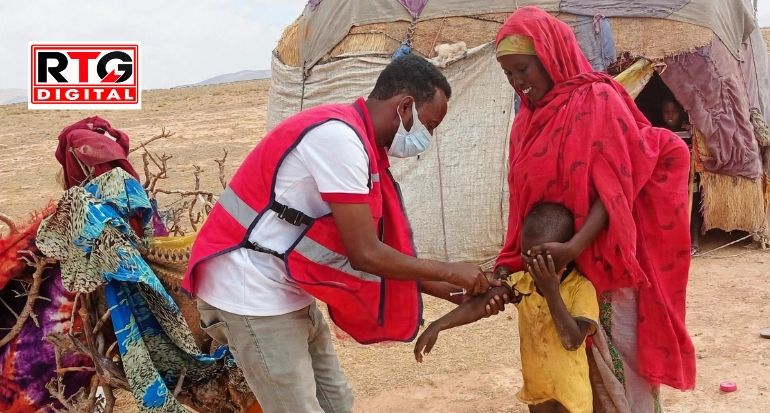
The Somali Red Crescent Society (SRCS), with support from the International Federation of Red Cross and Red Crescent Societies (IFRC), has reached 35,890 people through a four-month emergency response to a dengue fever outbreak that affected several regions of Somaliland in 2026.
According to an IFRC final report published on November 10, 2026, the response targeted communities in Togdheer, Maroodi-Jeex and Sahil, where the outbreak was most pronounced.
The report indicates that Somaliland had recorded 10,702 cumulative dengue cases between January and Epidemiological Week 31, ending August 2, 2026. At least one dengue-associated death was reported during that week, when 201 new cases were recorded.
Togdheer accounted for the largest share of infections, with 5,461 cases, representing 51 per cent of the total. Maroodi-Jeex recorded 2,144 cases, while Sahil reported 1,686.
The outbreak affected all six regions of Somaliland, with significant urban hotspots identified in Burao, Hargeisa, Berbera and Sheikh. The World Health Organization also reported dengue cases in parts of Puntland, raising concerns about the wider risk of transmission.
The outbreak was officially confirmed by the Somaliland Ministry of Health Development on February 24, 2026.
𝐂𝐨𝐦𝐦𝐮𝐧𝐢𝐭𝐲 𝐚𝐰𝐚𝐫𝐞𝐧𝐞𝐬𝐬 𝐚𝐧𝐝 𝐝𝐢𝐬𝐞𝐚𝐬𝐞 𝐩𝐫𝐞𝐯𝐞𝐧𝐭𝐢𝐨𝐧
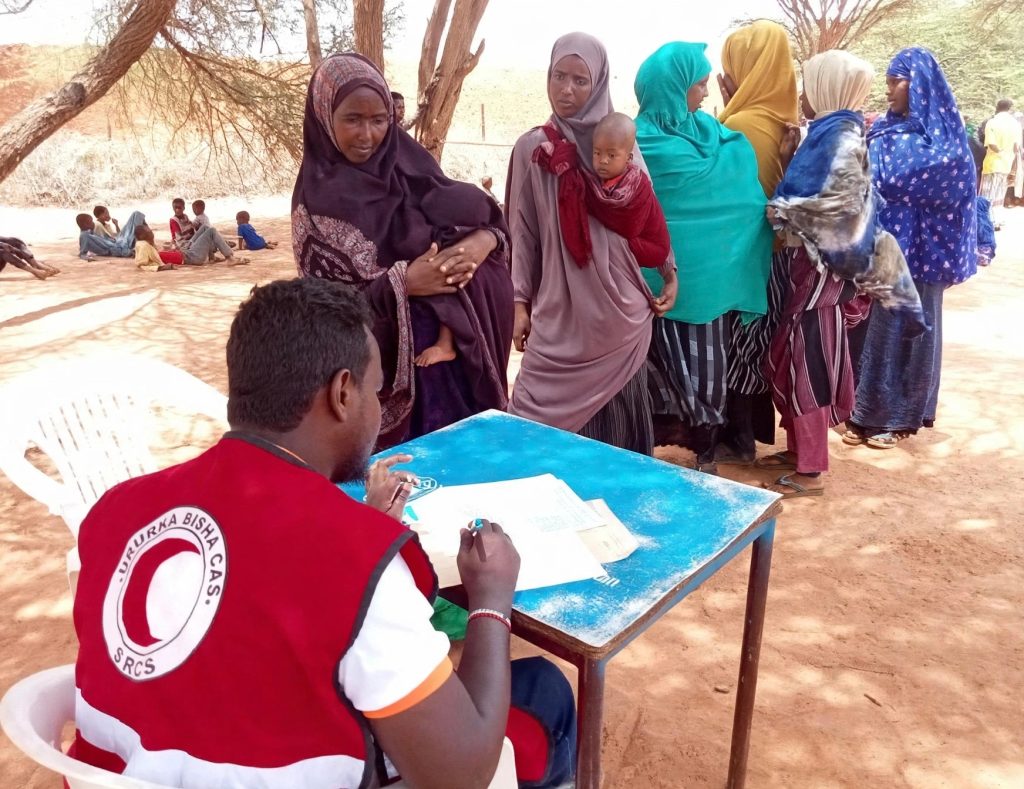
Under the emergency operation, which ran from March 6 to July 31, the Somali Red Crescent deployed 300 volunteers and mobilised community leaders, health workers and local authorities to strengthen prevention and response efforts.
A total of 150 community volunteers conducted 21 days of door-to-door and community awareness campaigns, reaching 20,996 people with information on dengue symptoms, mosquito breeding prevention, safe water storage, environmental sanitation and the importance of seeking medical attention early.
FM radio broadcasts extended the reach of public health messages to an estimated 35,890 people.
The operation also supported environmental cleaning campaigns in Hargeisa, Berbera and Burao. Approximately 300 community members participated in clearing drainage channels, removing accumulated waste and eliminating potential mosquito breeding sites. These activities reached an estimated 31,560 people.
𝐇𝐞𝐚𝐥𝐭𝐡 𝐰𝐨𝐫𝐤𝐞𝐫𝐬 𝐭𝐫𝐚𝐢𝐧𝐞𝐝 𝐚𝐬 𝐨𝐮𝐭𝐛𝐫𝐞𝐚𝐤 𝐫𝐞𝐬𝐩𝐨𝐧𝐬𝐞 𝐢𝐬 𝐬𝐭𝐫𝐞𝐧𝐠𝐭𝐡𝐞𝐧𝐞𝐝
The report highlights investments in strengthening healthcare capacity, including training for 150 healthcare professionals on updated dengue case-management protocols and early identification of severe cases.
Additionally, 45 laboratory professionals received training in dengue diagnosis, sample handling and biosafety, while 45 multidisciplinary Rapid Response Team members were trained in outbreak investigation, alert verification and emergency coordination.
The Somali Red Crescent also procured and distributed 50 rapid diagnostic tests to hospitals and health facilities in affected areas.
The organisation supported 45 sample transportation activities to improve the movement of specimens from remote and hard-to-reach communities to appropriate testing facilities.
At the policy level, two existing dengue case-management guidelines were reviewed and updated, while technical experts supported the revision of the national dengue preparedness and response contingency plan.
𝐃𝐫𝐨𝐮𝐠𝐡𝐭 𝐚𝐧𝐝 𝐩𝐨𝐨𝐫 𝐬𝐚𝐧𝐢𝐭𝐚𝐭𝐢𝐨𝐧 𝐜𝐨𝐦𝐩𝐨𝐮𝐧𝐝 𝐡𝐞𝐚𝐥𝐭𝐡 𝐫𝐢𝐬𝐤𝐬
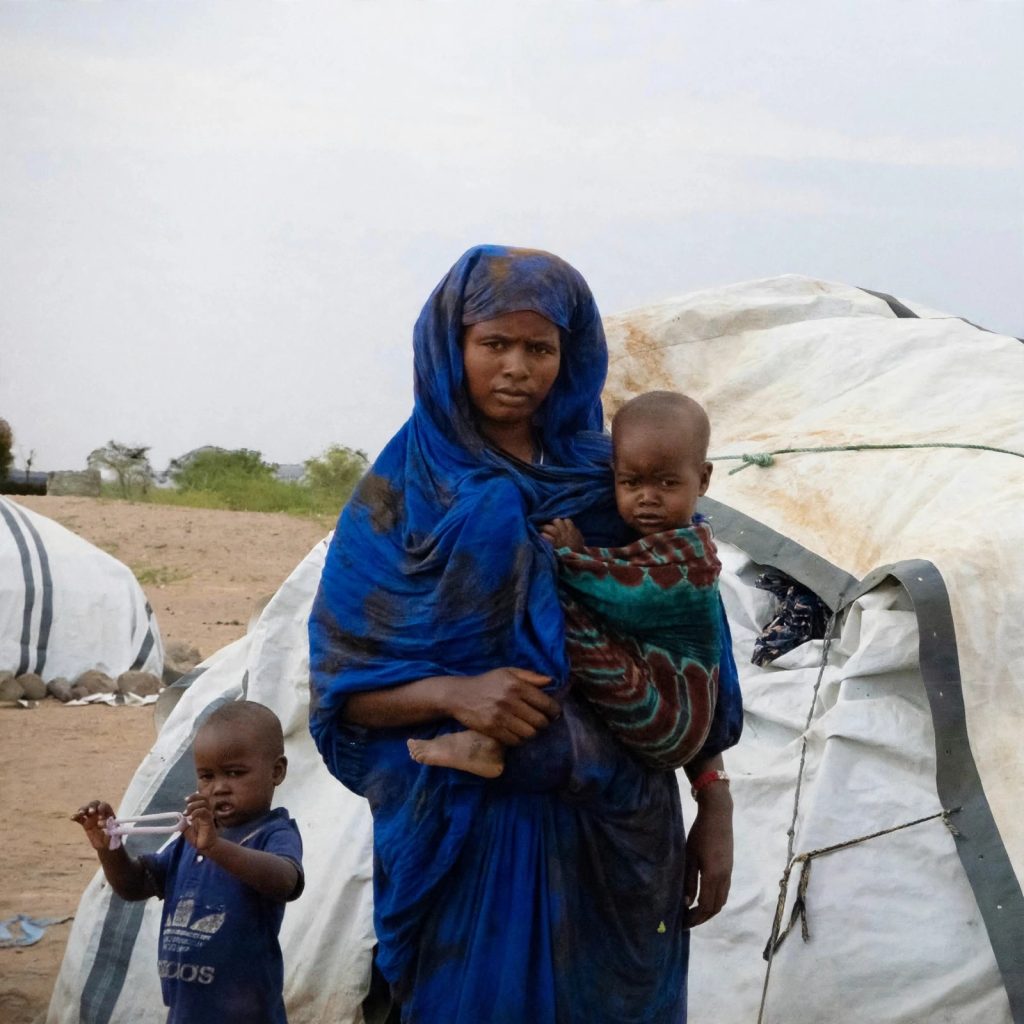
The IFRC report identifies drought, displacement, overcrowding, poor sanitation and inadequate access to safe water as factors that increased communities’ vulnerability to dengue.
Households storing water in uncovered containers provided potential breeding grounds for Aedes mosquitoes, while discarded plastic containers, tyres and other waste contributed to stagnant water accumulation.
The outbreak also unfolded amid wider humanitarian pressures. The report cites an estimated five million people in Somalia requiring health assistance in 2026, alongside widespread food insecurity and the closure of 205 health and nutrition facilities by August due to funding cuts.
Internally displaced people, children under five, pregnant women, older persons and people with disabilities were among the groups identified as particularly vulnerable.
𝐃𝐫𝐨𝐮𝐠𝐡𝐭 𝐚𝐧𝐝 𝐩𝐨𝐨𝐫 𝐬𝐚𝐧𝐢𝐭𝐚𝐭𝐢𝐨𝐧 𝐜𝐨𝐦𝐩𝐨𝐮𝐧𝐝 𝐡𝐞𝐚𝐥𝐭𝐡 𝐫𝐢𝐬𝐤𝐬
Beyond medical interventions, the response incorporated community engagement, protection and psychosocial support.
The Somali Red Crescent trained 100 staff and volunteers in community engagement and accountability, while establishing six feedback channels, including a toll-free hotline, suggestion boxes and community meetings.
The organisation documented and resolved 71 community queries, most concerning dengue prevention and where to seek medical attention.
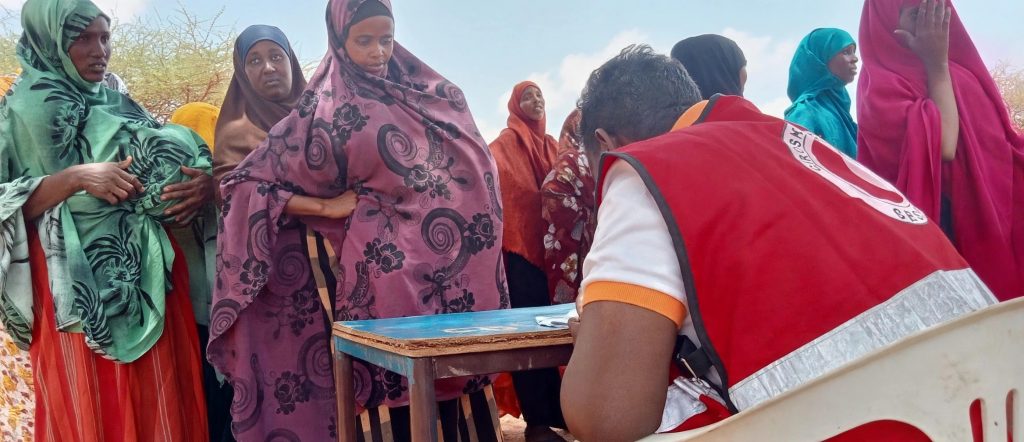
Religious leaders, women’s groups, youth networks and community elders were also engaged to counter misinformation and encourage preventive practices.
The report says the intervention exceeded several of its original targets, with 35,890 people assisted against an initial target of 20,000.
It also identified the need for improved preparedness, including pre-positioning essential medical supplies, strengthening coordination between health authorities and humanitarian partners, and developing an early action protocol to enable faster responses to future dengue outbreaks.


