

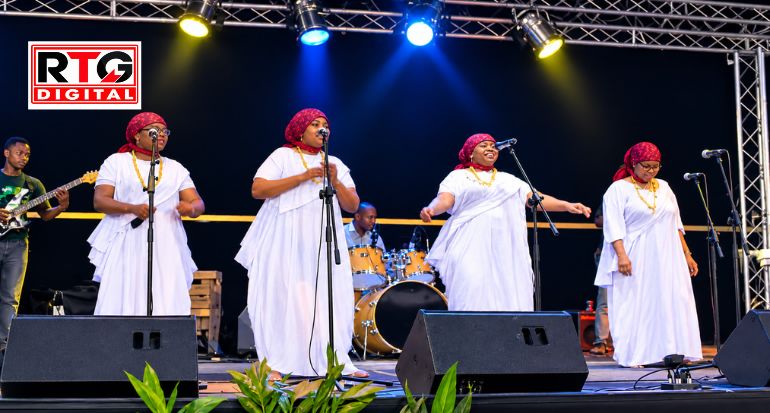
A women’s cultural group in Garissa is using traditional Somali music and craftsmanship to preserve cultural heritage while promoting women’s empowerment in northeastern Kenya.
Bismillahi Gargar, whose name combines the Somali words Bismillahi, meaning “in the name of Allah,” and Gargar, meaning “joining or bringing together,” was established in 2003 to promote traditional culture and create opportunities for women to participate in social and economic activities.
The group brings together women of Somali origin who use music, dance and traditional crafts to celebrate their cultural identity and strengthen their livelihoods.
Chairlady Luli Muge said the group was formed to keep Somali traditions alive while providing women with a platform to showcase their talents and contribute to their communities.
“Music remains one of the group’s main activities, with members performing at national celebrations, weddings, harvest ceremonies and other cultural events,” she said.
Muge said their performances feature traditional Somali songs, distinctive vocal styles, harmonies and dance, reflecting the community’s cultural heritage.
Beyond music, the women run a self-help initiative that involves weaving traditional mats and ropes, an activity that provides opportunities for income generation and collective economic empowerment.
She said the group’s work also highlights the role of women-led cultural organisations in challenging social barriers that can limit women’s participation in community and economic activities.
Bismillahi Gargar remains committed to promoting women’s participation through cultural preservation, craftsmanship and collective enterprise while keeping Somali traditions alive in Garissa and beyond.