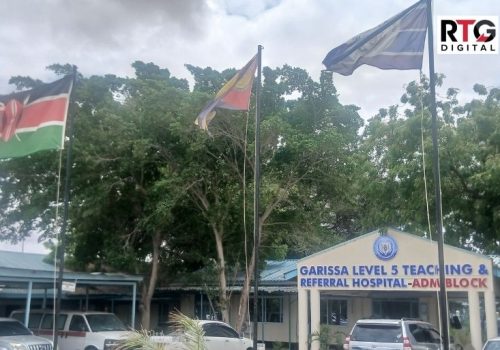

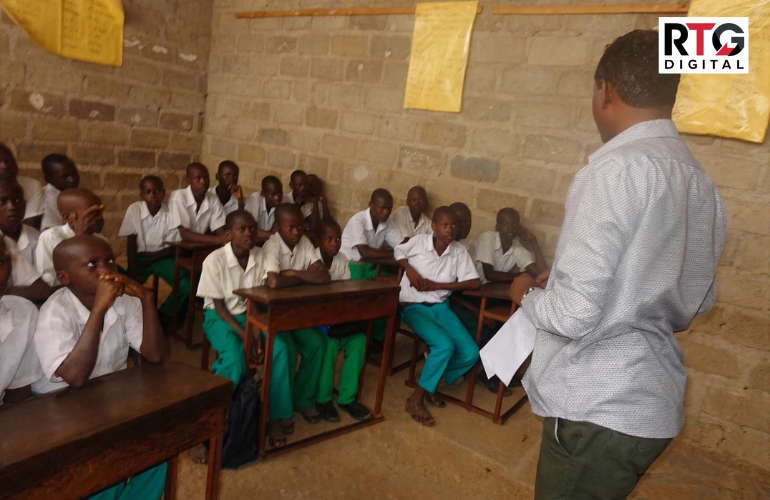
Garissa has recorded the highest proportion of women and men without formal education in Kenya, according to a new national survey on inequalities in access to education, healthcare and basic services across counties.
The 2025/26 Kenya Mini Demographic and Health Survey shows that 61.6 per cent of women aged six and above in Garissa have never received formal education, the highest proportion nationally.
Mandera follows at 59.8 per cent, Turkana at 59.6 per cent and Wajir at 59.3 per cent.
The figures are similarly concerning among men, with 52.4 per cent of those aged six and above in Garissa having no formal education. Wajir follows at 43.8 per cent and Mandera at 42.9 per cent.
The disparities extend beyond education to healthcare access, household energy and legal identity, with northern Kenya among the regions facing some of the country’s most significant development challenges.
Healthcare survey estimates that only 23 per cent of Garissa residents have some form of health insurance, compared with the national average of 40 per cent. Mandera records 24 per cent, while Tana River has the lowest coverage at 14 per cent.
Access to clean cooking energy is also limited. Nationally, 37 per cent of households use clean fuels and technologies for cooking, but the proportion falls to just nine per cent in rural areas.
Wajir records only one per cent, while Mandera, Turkana, West Pokot and Samburu each stand at approximately two per cent.
The survey also highlights inequalities in birth registration, an important requirement for establishing children’s legal identity and accessing government services.
Mandera has the lowest birth registration rate nationally, at 44 per cent of children under five, compared with the national average of 77 per cent.
Despite the challenges, the report points to national progress in education. The proportion of women aged six and above without education has declined from 23 per cent in 2003 to 12 per cent in 2025/26. Among men, the figure has fallen from 16 per cent to eight per cent.
The findings underline persistent regional inequalities in access to essential services and opportunities, with Garissa, Wajir and Mandera continuing to face significant gaps in education, healthcare and household living conditions.