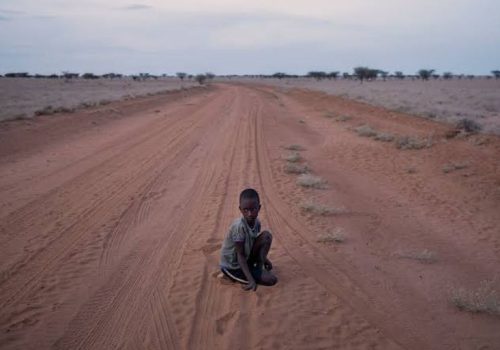

For decades, Wajir was known to many Kenyans as a remote frontier town shaped by harsh climatic conditions, long droughts, and the scars of marginalisation.
This year the northern town is rewriting its story as it prepares to host the country’s Madaraka Day celebrations in 2026 — a historic moment expected to place the region firmly at the centre of national attention.
The decision to hold the national celebrations in Wajir is being viewed as both symbolic and transformative, reflecting the government’s growing focus on inclusivity, regional development, and the recognition of northern Kenya’s historical contribution to the nation.
Nestled in the arid plains of northeastern Kenya, Wajir’s history stretches back more than a century.
Due to its strategic central location connecting major towns in the region, abundant underground water resources, shallow wells, and heavy human traffic, the British colonial administration officially established Wajir Town in 1912 as their administrative headquarters in the Northern Frontier District.
That rich history has made Wajir one of Kenya’s oldest towns, alongside historic settlements such as Malindi and Mji wa Kale in Mombasa.
In 2012, residents marked Wajir’s centennial anniversary with week-long celebrations filled with cultural exhibitions, camel races, traditional dances, and public forums reflecting on the town’s journey from a colonial outpost to a modern administrative and commercial hub.
Now, nearly 14 years later, the town is preparing for another defining chapter.
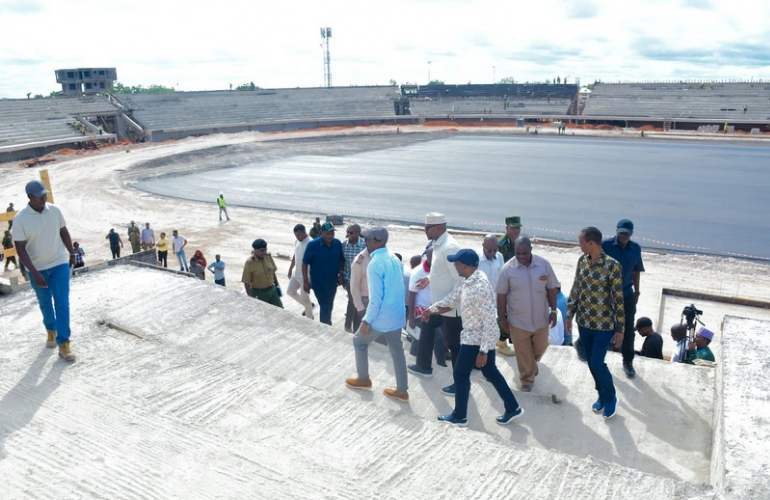
Roads are undergoing expansion, public facilities are being upgraded, and local businesses are anticipating an economic boom ahead of the Madaraka Day festivities.
Hotels, transport operators, traders, and youth groups are among those expected to benefit from the influx of visitors, dignitaries, and media personnel from across the country.
Wajir’s identity has long been tied to trade and movement. For generations, the town served as a key link between Kenya, Somalia, and Ethiopia, with livestock markets and pastoral trade sustaining livelihoods across the region.
Its famous shallow wells — dug and maintained communally for centuries — remain a symbol of survival and cooperation among pastoral communities.
Wajir has witnessed rapid urban growth fueled by devolution, improved infrastructure, expanded education opportunities, and investments in healthcare and water projects.
The hosting of Madaraka Day 2026 is expected to accelerate that momentum further while changing long-held perceptions about the region.
Residents hope the celebrations will not only highlight Wajir’s history but also draw national attention to the untapped opportunities in northern Kenya — from renewable energy and livestock production to cross-border trade and tourism.
Wajir will host the commemoration of another year of self-rule for Kenya and it stands ready to tell its story: a story of endurance, heritage, and transformation from a once-overlooked frontier town into a rising symbol of national unity and inclusion.